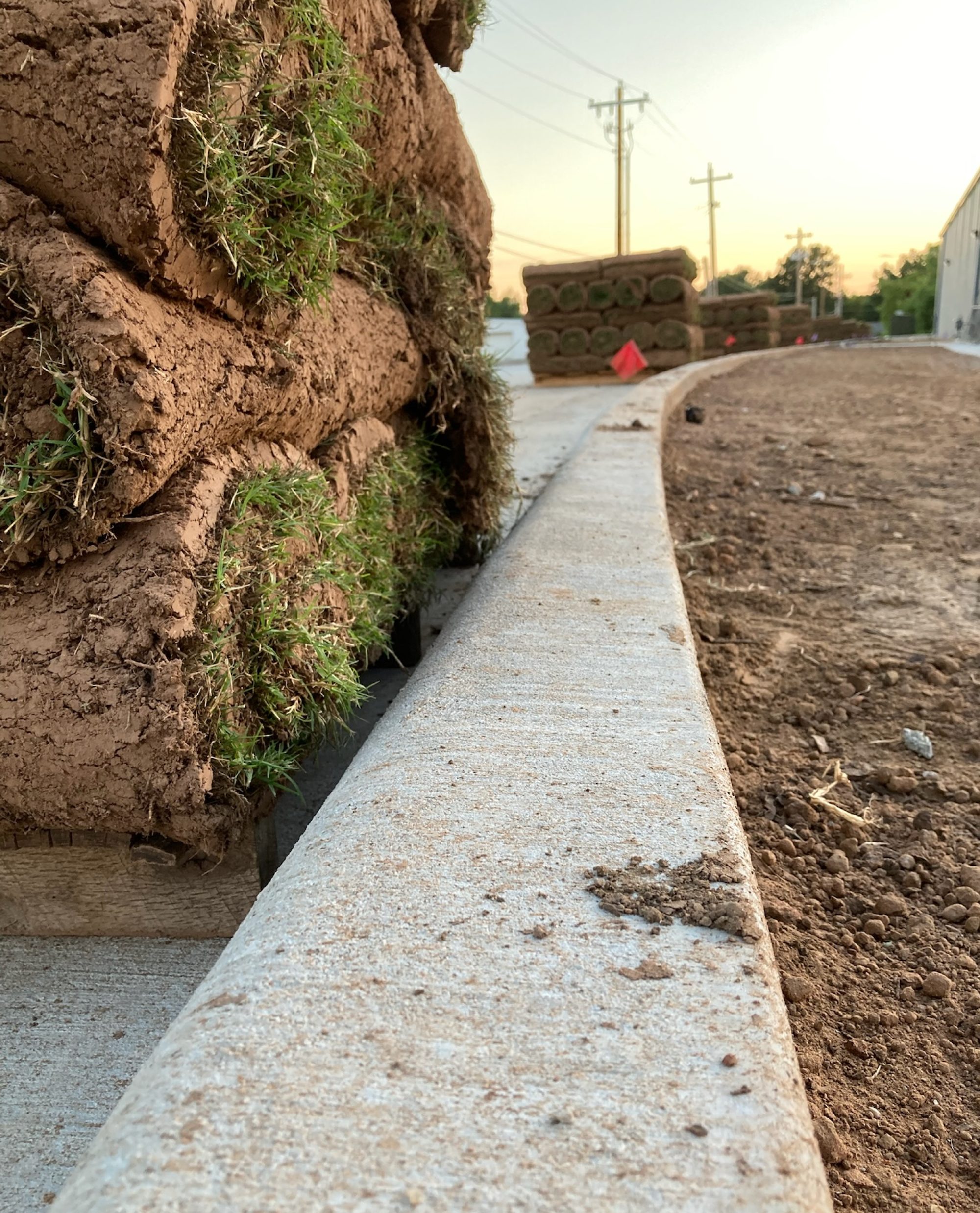
Optimizing Bermuda Sod Establishment from July through September in Tulsa, Broken Arrow, and Coweta: A Physiological Perspective
Aligning Growth Dynamics, Resource Partitioning, and Environmental Conditions for Successful Turf Development
Bermuda sod installed during the July to September window across Tulsa (74133), Broken Arrow (74012), Coweta (74429), Jenks (74037), and Sapulpa (74066) capitalizes on a critical phase of physiological activity that governs root initiation, carbon assimilation, and stress adaptation. Understanding the interplay between environmental stimuli and endogenous developmental processes is key to optimizing establishment and long-term vigor of the turf.
Temporal Phases of Bermudagrass Establishment: Growth, Allocation, and Acclimation
The transition of Bermuda sod from a harvested vegetative state to an actively growing stand involves distinct physiological stages regulated by environmental cues.
July: Activation of Root Growth and Shoot Expansion
- Soil temperature regimes between 25–32°C in this period stimulate meristematic activity in root apices, promoting rapid elongation and increased root surface area critical for water and nutrient uptake.
- Photosynthetic photon flux density remains high, supporting maximal rates of photosynthesis and thus carbohydrate production essential for root/shoot growth balance.
- Frequent irrigation maintains optimal soil moisture, preventing hydraulic stress which would otherwise trigger stomatal closure and limit carbon assimilation.
August: Resource Allocation Shift and Root System Development
- As root architecture extends laterally and vertically, there is a physiological shift allocating more photoassimilates belowground to enhance anchorage and soil resource acquisition.
- Controlled reduction in watering frequency induces mild water-deficit signaling, stimulating root depth growth without triggering full drought stress responses.
- Elevated vapor pressure deficits typical of this period modulate transpiration rates, necessitating careful moisture monitoring to prevent premature senescence at leaf margins.
September: Preparation for Dormancy and Structural Fortification
- Declining photoperiod and cooler nocturnal temperatures initiate physiological acclimation pathways, increasing accumulation of storage carbohydrates in stolons and rhizomes.
- This resource reserve supports survival through cooler months and rapid regrowth in spring.
- Light mowing and balanced nutrient inputs at this stage optimize shoot-to-root ratios, reinforcing structural integrity and photosynthetic capacity before dormancy onset.
Handling and Installation: Minimizing Physiological Stress and Ensuring Viability
The harvested sod is a detached, yet metabolically active plant tissue experiencing severance stress, loss of root-soil contact, and potential desiccation.
- Early morning pickups (7:00–10:00 AM) correspond with lower ambient temperatures, reducing transpiration and respiratory losses post-harvest.
- Transport logistics through 74133 (Tulsa), 74012 (Broken Arrow), 74429 (Coweta), 74037 (Jenks), and 74066 (Sapulpa) are optimized to minimize lag time, preserving carbohydrate reserves and root viability.
- Installation within 4–6 hours post-harvest is critical to maintain cell turgor, prevent xylem embolism, and facilitate rapid re-establishment of root-soil hydraulic continuity.
Calculating Coverage and Soil Preparation: Establishing Effective Root-Soil Interfaces
A continuous and tight root-soil interface maximizes water and nutrient uptake by reducing oxygen gaps and soil microenvironment variability.
- One pallet (~500 sq ft) approximates the planting density necessary to form an unbroken photosynthetic canopy, essential for maximizing net primary productivity early in establishment.
- Pre-installation soil conditioning—loosening compacted layers and achieving uniform moisture content—promotes optimal rooting depth and avoids hypoxic zones that impair root respiration.
- Light soil moistening before placement ensures the rhizosphere remains conducive to root elongation and mycorrhizal symbiosis initiation.
Irrigation Management: Balancing Hydration and Root System Maturation
Effective water management influences the balance between root proliferation and shoot growth by modulating internal water potential gradients and hormonal signaling (e.g., abscisic acid levels).
- Initial frequent, shallow watering (2–3 times daily) maintains high soil moisture in the upper root zone, preventing stomatal closure and sustaining carbon assimilation rates critical for energy-demanding root initiation.
- Gradual tapering to deeper, less frequent irrigation encourages root exploration into lower soil horizons, increasing drought resilience and hydraulic conductance.
- Monitoring for localized drying, particularly at sod edges and near impervious surfaces, prevents localized stress signals that could inhibit overall establishment.
Species-Specific Adaptation: Physiological Advantages of Bermuda Sod in the Regional Environment
Bermuda’s C4 photosynthetic pathway confers a high photosynthetic efficiency under intense light and elevated temperatures typical of July–September in this region.
- Rapid stomatal conductance and high water-use efficiency enable maintenance of high transpiration rates without excessive water loss.
- Strong tillering and rhizome production enable quick canopy closure, reducing weed colonization and minimizing resource competition.
- The turf’s phenological plasticity allows acclimation to fluctuating photoperiod and temperature regimes, optimizing growth phases and carbon allocation seasonally.
Frequently Asked Questions: Physiological Considerations for DIY Installation
Q: Can Bermuda sod be installed during a rain event?
Light rain can improve water availability and reduce transplant shock; however, saturated soils limit oxygen diffusion to roots, increasing risk of hypoxic stress and root mortality.
Q: When is the appropriate time to fertilize?
Fertilization is most effective after root systems have re-established (3–4 weeks post-install), ensuring nutrients support active growth rather than inducing osmotic stress in a compromised root zone.
Q: How do I know when to begin mowing?
Mowing should commence once sod resists manual tugging, indicating sufficient root penetration and mechanical stability.
Q: Is late September still suitable for installation?
Provided average nocturnal temperatures remain above 15°C, physiological processes continue to support establishment, though metabolic rates will slow as dormancy approaches.
Scheduling and Resources: Synchronizing Plant Physiology and Operational Efficiency
Optimizing sod installation within this July–September window ensures synchronization between the plant’s intrinsic growth capacity and external environmental parameters.
📞 Contact (918)340-3013
🌿 Visit quantumsod.wordpress.com
📋 Schedule a consultation to calculate accurate coverage, confirm Bermuda sod availability, and secure your delivery window


Discover more from Quantum Sod | Tulsa Oklahoma Sod Supply | Tulsa Oklahoma Sod Delivery | Tulsa Oklahoma Sod Installation (918)340-3013
Subscribe to get the latest posts sent to your email.