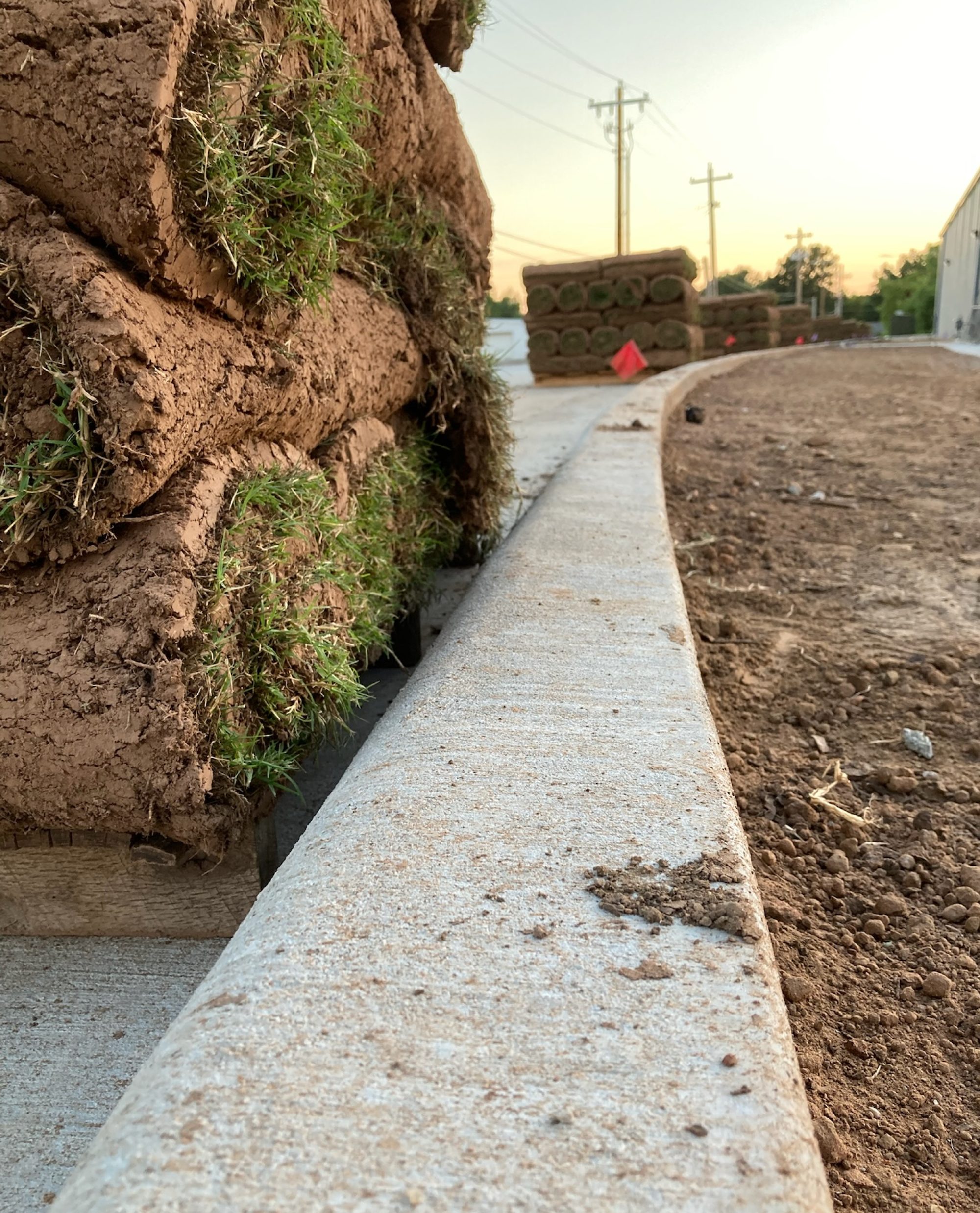
Maximizing Bermuda Sod Establishment from July through September in Tulsa, Broken Arrow, and Coweta
Optimizing Planting Timing, Resource Management, and Field Conditions for Turf Success
Establishing Bermuda sod during the July to September window across Tulsa (74133), Broken Arrow (74012), Coweta (74429), Jenks (74037), and Sapulpa (74066) aligns with critical physiological and environmental factors that promote rapid turf establishment, root development, and stand longevity. Applying principles of crop performance optimization and field condition management ensures successful sod take and sustainable growth.
Seasonal Growth Dynamics: Root Development and Shoot Establishment
Bermuda turfgrass exhibits distinct growth phases throughout summer and early fall, influenced by temperature, moisture, and photoperiod.
July: Initiation Phase — Rapid Root Activation and Shoot Growth
- Soil temperatures consistently above 25°C provide optimal conditions for root meristem activity and elongation, essential for rapid root system establishment.
- Adequate soil moisture must be maintained to support cellular expansion and nutrient uptake while preventing water stress that can limit stomatal conductance and photosynthesis.
- High irradiance supports vigorous leaf expansion and photosynthate production, supplying carbon to growing roots and shoots.
August: Development Phase — Resource Partitioning and Root System Expansion
- Increased biomass allocation belowground enhances root density and soil exploration, improving water and nutrient acquisition efficiency.
- Gradual reduction in irrigation frequency encourages deeper rooting and improved drought tolerance.
- Monitoring evapotranspiration rates aids in adjusting irrigation scheduling to maintain adequate soil moisture without waterlogging.
September: Maturation Phase — Nutrient Accumulation and Pre-Dormancy Conditioning
- Cooler nighttime temperatures reduce respiration rates, allowing greater carbohydrate accumulation in stolons and rhizomes, critical for winter survival and early spring regrowth.
- Continued root growth reinforces turf resilience, while moderate fertilization supports shoot density and canopy closure.
- Adjusting mowing height optimizes leaf area index and promotes tillering, contributing to stand persistence.
Harvest, Transport, and Installation: Managing Sod Quality and Minimizing Stress
Bermuda sod, as a vegetatively propagated crop, is subject to physiological stress post-harvest that can affect establishment success.
- Harvesting early in the day (7:00–10:00 AM) reduces thermal and evaporative stress during handling.
- Efficient routing and delivery through local zip codes—including 74133 (Tulsa), 74012 (Broken Arrow), 74429 (Coweta), 74037 (Jenks), and 74066 (Sapulpa)—minimizes transit time and maintains sod viability.
- Installation within 4–6 hours post-harvest is critical to prevent desiccation, root mortality, and loss of photosynthetic capacity.
Calculating Coverage and Preparing the Seedbed for Optimal Sod Take
Uniform coverage and proper soil preparation are essential for rapid sod establishment and weed suppression.
- One pallet of sod typically covers approximately 500 sq ft; calculate required pallets based on planting area plus 5–10% to accommodate trimming and irregular areas.
- Soil should be tilled or mechanically loosened to a depth of 1–2 inches to reduce compaction and promote root penetration.
- Pre-irrigation to achieve adequate soil moisture enhances root-soil contact and encourages sod rooting.
Irrigation Strategy: Balancing Moisture for Rooting and Shoot Growth
Effective irrigation management is critical during establishment to optimize water use efficiency and promote deep rooting.
- Initial irrigation frequency should be high (2–3 times daily) with short duration cycles to maintain consistent moisture in the upper soil profile.
- Gradually reduce frequency and increase duration to encourage deeper root growth and drought resilience.
- Monitor soil moisture with field tools or by feel to avoid over- or under-watering, particularly at sod edges and in high-exposure areas.
Advantages of Bermuda Sod for Regional Conditions and Planting Window
Bermuda grass is well adapted to the warm climate and soil types typical of northeastern Oklahoma.
- C4 photosynthetic pathway provides high efficiency under elevated temperatures and intense sunlight.
- Rapid stoloniferous growth ensures quick canopy closure, limiting weed establishment and soil erosion.
- High tolerance to drought, foot traffic, and disease reduces management inputs over time.
Frequently Asked Questions
Q: Is it advisable to install Bermuda sod during or immediately after rainfall?
Light rain can be beneficial by maintaining soil moisture, but saturated or waterlogged soils impede root respiration and increase the risk of disease.
Q: When should fertilization begin after sod installation?
Fertilization is most effective once sod roots have established, typically 3–4 weeks after installation, to support sustained growth and nutrient uptake.
Q: How do I know when the sod is ready for mowing?
Mowing should commence once sod resists gentle pulling, indicating sufficient root anchorage.
Q: Can sod installation be successful in late September?
Yes, provided soil temperatures remain above 15°C to support continued root growth before dormancy.
Schedule Your Bermuda Sod Installation for Peak Performance in 2025
Planting during the July–September window maximizes establishment success by aligning with the crop’s physiological needs and local environmental conditions.
? Call (918)340-3013
? Visit quantumsod.wordpress.com
? Book a consultation to determine accurate sod quantity, confirm availability, and schedule delivery


Discover more from Quantum Sod | Tulsa Oklahoma Sod Supply | Tulsa Oklahoma Sod Delivery | Tulsa Oklahoma Sod Installation (918)340-3013
Subscribe to get the latest posts sent to your email.