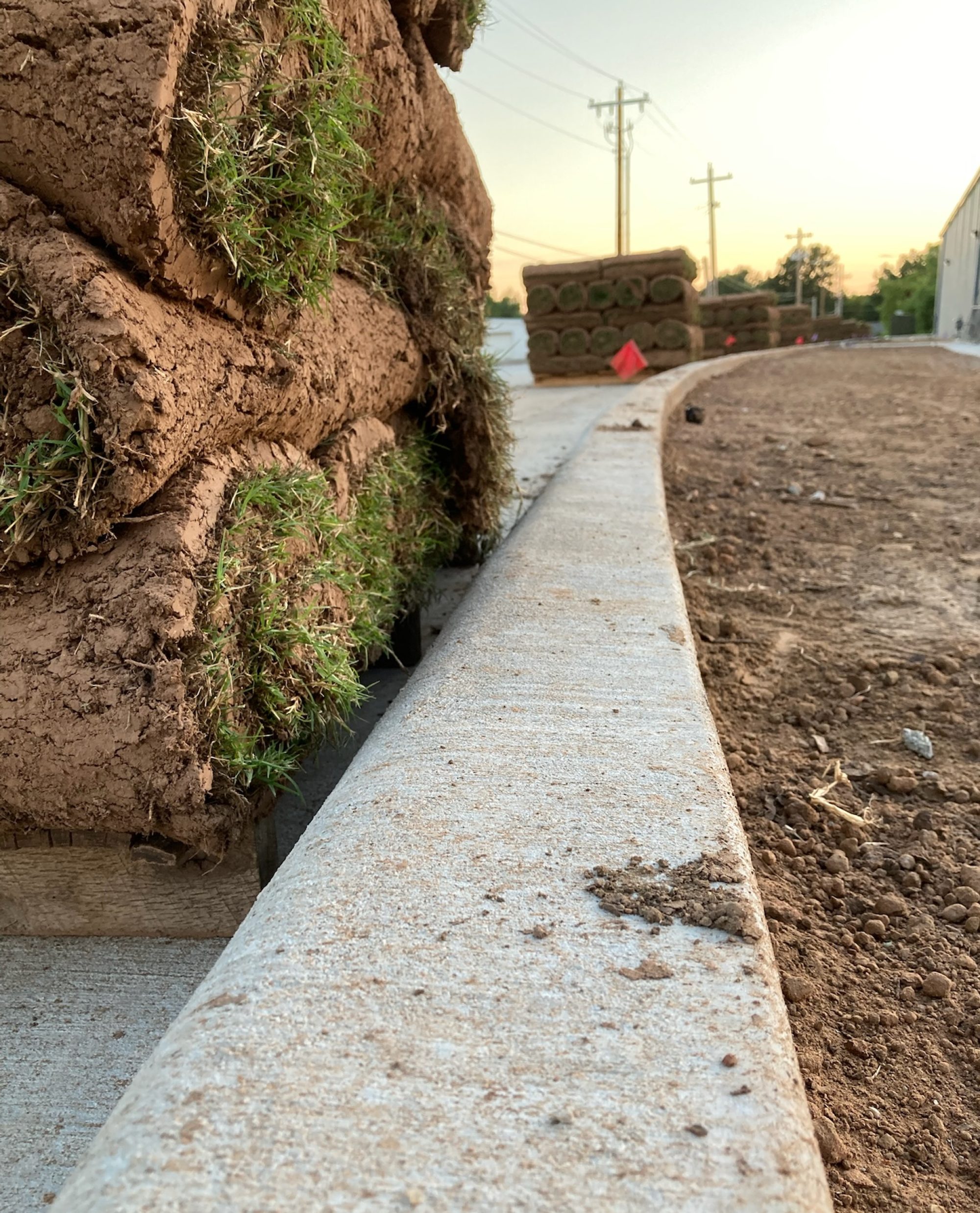
July Sod Delivery in Tulsa Offers a Strategic Advantage Against Invasive Weeds
Moist Soil, Active Growth, and Rapid Sod Establishment Create a Natural Barrier to Weed Colonization
Worried that a bare yard is just an open invitation for crabgrass or spurge?
Concerned that recent rain will bring a flush of weeds before your sod even arrives?
Trying to avoid herbicide overuse while still controlling aggressive invaders?
If you’re planning a new lawn install in Tulsa, Broken Arrow, Coweta, or nearby cities, the sod delivery window between July and early August 2026 is more than just convenient — it’s biologically advantageous. By laying dense, actively growing sod during peak weed germination season, you eliminate open soil exposure, reduce the light needed for weed seed activation, and minimize the need for chemical intervention.
Weed pressure is highest when the soil is wet, the temperatures are warm, and bare ground sits undisturbed. July sod installation breaks that cycle.
Why Sod Installation in July Prevents a Summer Weed Explosion
Light Exclusion + Root Competition = Immediate Weed Suppression
When turfgrass is laid over bare soil, it does more than just add greenery — it changes the environmental conditions that weeds depend on.
- No bare surface: Weed seeds like crabgrass, spurge, and goosegrass rely on sunlight to germinate. Sod cuts light access at the soil line by 90–100%.
- Instant root zone occupation: New sod roots begin forming within 48–72 hours, competing directly with any germinating weed seed for moisture and nutrients.
- Moisture control: Sod stabilizes the top layer of soil, reducing micro-erosion and moisture fluctuation — both of which favor opportunistic weed species.
This is especially critical in 74133 (Tulsa), 74012 (Broken Arrow), and 74429 (Coweta), where a wet July combined with disturbed soils (from grading or construction) creates the perfect conditions for weed outbreaks.
Choosing the Right Sod Type = Building a Better Defense
Different turfgrasses offer different levels of natural weed suppression. Grass canopy density, growth rate, and light interception vary by species, and that makes a difference in long-term weed management.
- Bermuda: Fast-growing, aggressive lateral spread, high stolon density — excellent at sealing gaps where weeds might germinate.
- Zoysia: Dense vertical and lateral growth habit, slow to establish but highly suppressive once rooted.
- Fescue: Cool-season grass, not as aggressive during summer months — best for shaded areas with lower weed pressure.
For maximum weed resistance, it’s essential that sod matches the site conditions. A grass that struggles will leave open spaces — and weeds will exploit them.
Delivery by Zip Code Means Less Time for Weed Seed Germination
Once soil is prepped and graded, every hour that passes before sod is installed increases the risk of weed emergence. Our delivery system reduces that window.
Sod is delivered to your site — whether it’s Jenks, Bixby, Glenpool, or Sand Springs — within 1–3 days of order placement. Deliveries are coordinated by zip code and scheduled to arrive during a service window that allows for same-day installation. This ensures that your exposed soil doesn’t sit long enough to support a new flush of warm-season weeds.
Early Morning Pickups Preserve Sod Integrity and Reduce Weed Intrusion
Picking up sod between 7:00 AM and 10:00 AM, Monday–Friday helps you avoid installing heat-stressed turf, which is more vulnerable to weed invasion.
Weeds exploit stressed sod the same way they exploit bare ground. If sod loses too much moisture before installation, it won’t root as fast — leaving space for opportunistic weeds to take hold. Early pickup reduces time spent on the pallet in high heat and helps turf establish before midday weed seeds become active.
Rainy Weather Isn’t a Problem — It’s a Tactical Advantage
Weeds love rain — but so does healthy sod, especially when it’s installed quickly.
In July, increased rainfall provides ideal rooting conditions. That means:
- Faster canopy development, which shades soil and blocks light-sensitive weeds
- Improved turf vigor, giving it the edge over slower-germinating weed seedlings
- Reduced irrigation demand, meaning fewer disruptions in water distribution that favor weed patchiness
Moisture is unavoidable this time of year. The key is making sure desirable vegetation (sod) gets there first. Turf is a natural competitor — give it a head start, and it wins.
August Is Critical for Long-Term Weed Resistance
July is for installation. August is for establishment.
As sod develops a deeper root system and spreads laterally across seams, it begins to control its environment. The result?
- Minimal light penetration to the soil
- Fewer air pockets and voids that allow weed seeds to settle
- Greater resilience against invasive colonizers during late-summer weed flushes
This is the period where post-emergent herbicide needs drop significantly. Once your turf is fully integrated, the system becomes largely self-regulating.
September Turf Performance Is Built in July and August
Weed management is proactive, not reactive. What you see (or don’t see) in September is a direct result of how well your sod competed during its first 30–45 days.
Sod installed earlier in the season will:
- Exhibit tighter seams and fewer thin spots (where weeds germinate)
- Require fewer chemical interventions
- Outcompete dormant weed seed banks with a healthy canopy
By the time cooler weather arrives, the turf should have full control of the site. Sod installed too late misses that critical advantage.
Homeowners Benefit From Natural Weed Suppression Without Over-Spraying
For large installs (5,000–10,000 sq ft) in neighborhoods across 74136 (South Tulsa), 74014 (Broken Arrow), and 74008 (Bixby), summer sod delivery helps homeowners:
- Reduce chemical input
- Protect pets and kids from unnecessary herbicide exposure
- Support native soil biology by avoiding repeated spray cycles
The result? A dense lawn that does the work of weed control on its own.
Contractors: Eliminate the Weeds Before They Show Up
If you’re managing jobs in Coweta, Claremore, or Sand Springs, you know weed calls start stacking up by late summer. Avoid them by installing during the sod’s natural competitive window — not after.
Here’s why now works:
- Harvested sod is arriving fresh — no time for weed seed contamination
- Routes are optimized for fast delivery
- Crews can install during ideal moisture and temperature ranges, maximizing coverage and closure
Once the sod closes canopy, the weed pressure drops dramatically — saving you hours of follow-up calls and callbacks.
FAQ: Weed Control Through Strategic Sod Delivery
Q: Will sod help prevent weeds if I lay it now?
A: Yes. Sod laid in July provides full light exclusion and creates dense competition in the soil, stopping most summer weeds before they start.
Q: How many pallets for 7,000 sq ft?
A: Roughly 14–15. Always add 5% for tight seams and edge coverage.
Q: Is it too wet to lay sod?
A: Not unless there’s standing water. Moist soil helps new sod root faster and suppresses weed emergence.
Q: Can I skip pre-emergent if I install sod now?
A: Often, yes. A dense, healthy turf canopy is nature’s best weed suppressant. Pre-emergents may not be necessary if sod roots quickly and gaps are closed.
Q: Can I install in September?
A: You can, but the turf won’t root as aggressively. That leaves more open space for winter annuals or fall-germinating weeds to take hold.
Book Your Delivery and Close the Window on Weed Emergence
Don’t give weeds a head start. By installing sod while the environment favors dense growth and quick rooting, you can naturally control weed pressure without relying on repeated spray cycles.
📞 Call (918)340-3013
🌿 Visit quantumsod.wordpress.com
📋 Request a Weed-Suppressive Sod Strategy Sheet or schedule a 15-minute call


Discover more from Quantum Sod | Oklahoma Sod Supply | Oklahoma Sod Delivery | Oklahoma Sod Installation (918)340-3013
Subscribe to get the latest posts sent to your email.