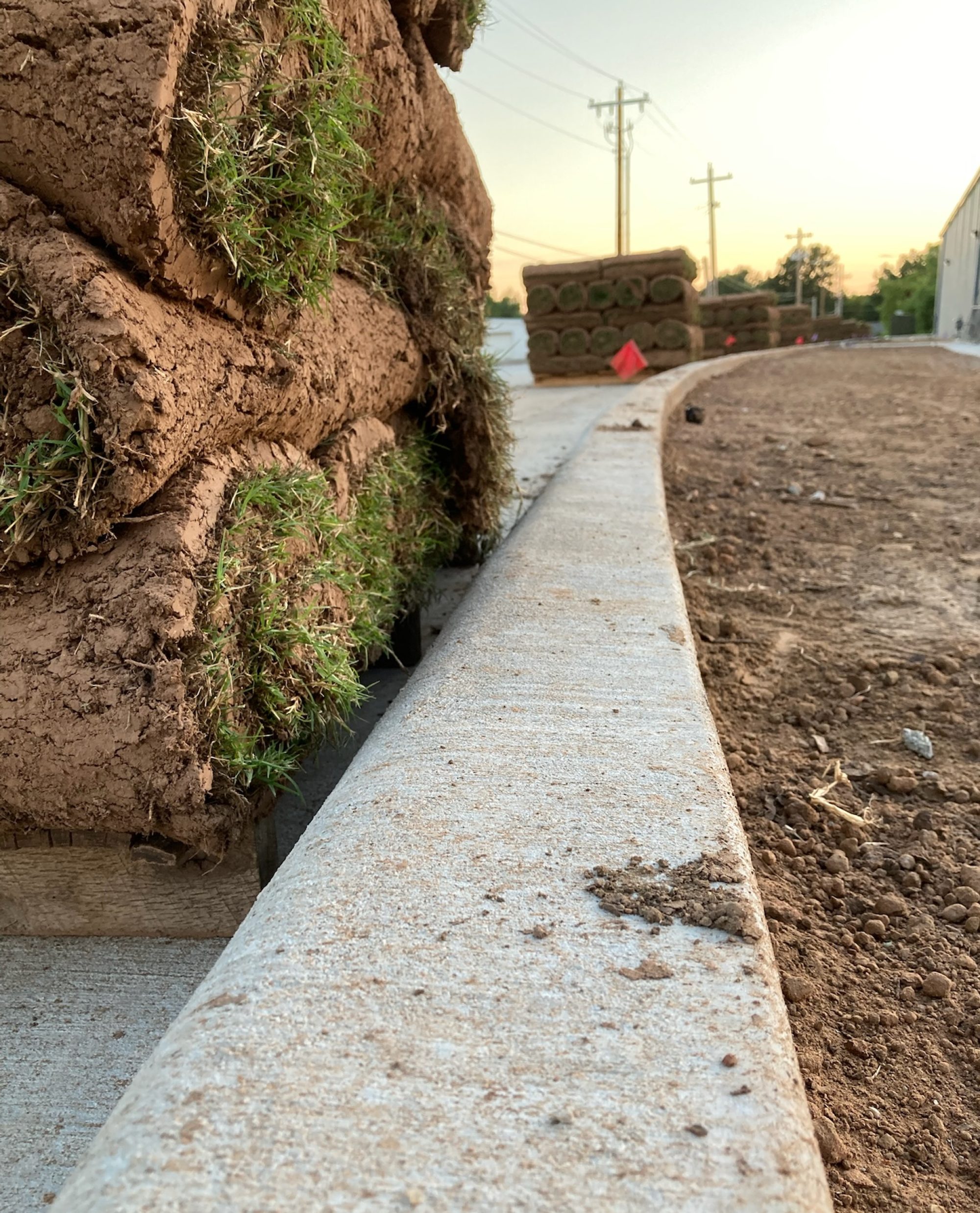
July Sod Delivery Across Tulsa Aligns with Soil Health, Rain Cycles, and Long-Term Ecosystem Stability
Proper Timing, Responsible Water Use, and Healthy Root Integration Make This the Most Sustainable Sod Installation Window of the Year
Concerned that heavy July rain will cause runoff or make sod installs messy?
Unsure if your yard can support new turf with current soil moisture?
Wondering if now’s too soon—or too late—for real root establishment?
When considering lawn installation through an ecological lens, timing isn’t just about convenience. It’s about minimizing environmental disruption, aligning with natural rainfall patterns, and helping turfgrass integrate into existing soil systems with minimal artificial input. In Tulsa, Broken Arrow, Coweta, and surrounding cities, July through early August 2026 provides a unique opportunity: a rare balance of rain-fed moisture, moderate temperatures, and high soil biological activity that supports sustainable sod success with less strain on water and energy systems.
Sod Delivery and Installation: Minimizing Disturbance, Maximizing Root Integration
Every time sod is harvested, transported, and installed, it represents a brief disturbance in a living system. Done correctly, that system restores itself quickly and becomes more resilient. The goal is to reduce resource waste and help the new turf acclimate faster.
1. Square Footage Impacts Resource Use
Accurate measurements help minimize waste and overuse of both sod and water.
- 500 sq ft: Small areas ideal for minimal intervention
- 5,000 sq ft: Mid-sized installs where water planning and soil prep are critical
- 10,000 sq ft: Projects requiring staged watering, erosion control, and close management
Every square foot you prepare with intention reduces the need for corrective actions later.
2. Choosing the Right Turf for the Environmental Conditions
- Bermuda: Efficient in full sun, tolerates drought once established
- Zoysia: Slow growing, conserves water, supports dense root systems
- Fescue: Prefers cooler temps, best in shaded microclimates
Matching grass species to local site conditions lowers water input, fertilizer dependency, and the need for mowing or pesticide interventions over time.
3. Delivery Scheduled by Zip Code to Reduce Transit Time and Heat Stress
Shorter transit = less evaporation, reduced CO? output, and healthier turf at delivery.
Service windows cover zones like 74133 (Tulsa), 74012 (Broken Arrow), and 74429 (Coweta)—mapped for optimal route efficiency and freshness retention.
4. Timing Deliveries to Maximize Immediate Soil Contact
Fresh sod is a living layer that needs immediate soil contact for survival. The faster it’s down and watered, the less it suffers — and the fewer external resources it will require during establishment.
Morning Pickups Help Protect the Turf and Limit Emissions
Pickups are available Monday–Friday, 7:00 AM to 10:00 AM. These hours align with cooler air temps and higher humidity, which help preserve sod moisture during transport and prevent wilting on-site.
Ideal for:
- Smaller projects (<3,000 sq ft) that can be completed same-day
- Sites in or near South Tulsa, Coweta, and Broken Arrow
- Teams prepared to install and water immediately, limiting sod exposure to sun and wind
Early pickups also reduce the need for rush installations and decrease time engines spend idling or running in the heat.
July Rain Reduces Resource Use and Enhances Soil-Turf Bonding
Natural Moisture = Lower Irrigation Demand and Higher Root Survival Rates
Installing sod during periods of consistent rain has measurable environmental benefits:
- Rain improves soil infiltration, enabling new roots to anchor faster
- Evapotranspiration is lower under overcast skies, reducing early-stage drought stress
- Supplemental irrigation needs drop by up to 60%, depending on the soil type and drainage rate
In cities like Bixby, Jenks, and Coweta, where rainfall patterns have been consistent, new turf is establishing faster and with less manual input.
August Sustains Root Expansion and Long-Term Turf Resilience
As the rains taper off slightly and temperatures remain high, turf begins its second phase of development — root deepening and lateral spreading. These processes are energy-intensive, and soil biology plays a key role.
Benefits of August sod installation include:
- Warmer soils stimulate microbial activity, which supports nutrient cycling and root uptake
- Continued rainfall supports steady hydration without overwatering
- Daylight length is still sufficient for photosynthetic efficiency, helping the turf generate its own energy and strengthen its structure
This phase is vital for preparing turf for fall dormancy, where energy reserves matter more than color.
September Is the First Visible Report Card — But Root Work Happens Long Before
Turf laid in July and August will be well-rooted by September. What you see above ground — color, density, uniformity — is a reflection of what’s already happening beneath the surface.
By September, you can evaluate:
- Water-use efficiency (reduced runoff, deep roots)
- Soil structure improvement (less compaction, better infiltration)
- Biodiversity gains (fungal and bacterial development in root zone)
Late installs, on the other hand, don’t get the benefit of warm soil temps or residual rainfall — meaning they rely more on human intervention and artificial support.
For Large Residential Lawns, This Window Reduces Inputs and Increases Resilience
In areas like 74136 (South Tulsa), 74008 (Bixby), and 74012 (Broken Arrow), homeowners installing 5,000–10,000 sq ft of sod are seeing shorter establishment windows and better long-term performance — thanks to:
- Minimal wind erosion due to moisture-rich soils
- Reduced need for herbicide/fungicide use due to less environmental stress
- Consistent rooting before the seasonal temperature shift
When sod is installed in balance with nature, it grows into a low-maintenance system that supports itself.
Contractors Benefit from Predictable Weather, Moist Soil, and Efficient Logistics
Job sites across Tulsa, Glenpool, Claremore, and Coweta are moving faster with less stress this season. Why?
- Wet soil means easier grading and tighter seams
- Bulk deliveries (10–20 pallets) are arriving fresh and on time thanks to route planning
- Crews are laying sod into environments where it can self-sustain quickly
That means less watering, fewer returns for patch work, and more satisfied clients using less of everything — fuel, time, and water.
Turf Installation FAQs Based on Environmental Performance
Q: Can I install sod in the rain?
A: Yes — assuming the ground is not waterlogged. Moisture improves root-to-soil contact and limits the need for immediate watering.
Q: How much sod do I need for 8,000 sq ft?
A: About 16–17 pallets. Always round up slightly to minimize gaps and reduce the need for future patching.
Q: Will July rain delay my installation?
A: Not unless flooding occurs. Most soils in the area are draining well, and the rain improves conditions for install.
Q: Can I pick up sod for a small job?
A: Yes, as long as you can install it within hours. Pickup between 7–10 AM is best to prevent water loss and heat stress.
Q: Is it too late to lay sod in September?
A: Sod can be installed in September, but it will not root as quickly and may rely more on irrigation and fertilization to sustain color and health.
Book Now: Align Your Sod Delivery With Soil, Weather, and Ecological Cycles
This moment — when rain is replenishing topsoil and temperatures are supporting microbial life — is your best opportunity to install turf that thrives naturally with minimal inputs.
? Call (918)340-3013
? Visit quantumsod.wordpress.com
? Request a Sustainability-Focused Sod Planning Guide or schedule a 15-minute consultation


Discover more from Quantum Sod | Oklahoma Sod Supply | Oklahoma Sod Delivery | Oklahoma Sod Installation (918)340-3013
Subscribe to get the latest posts sent to your email.