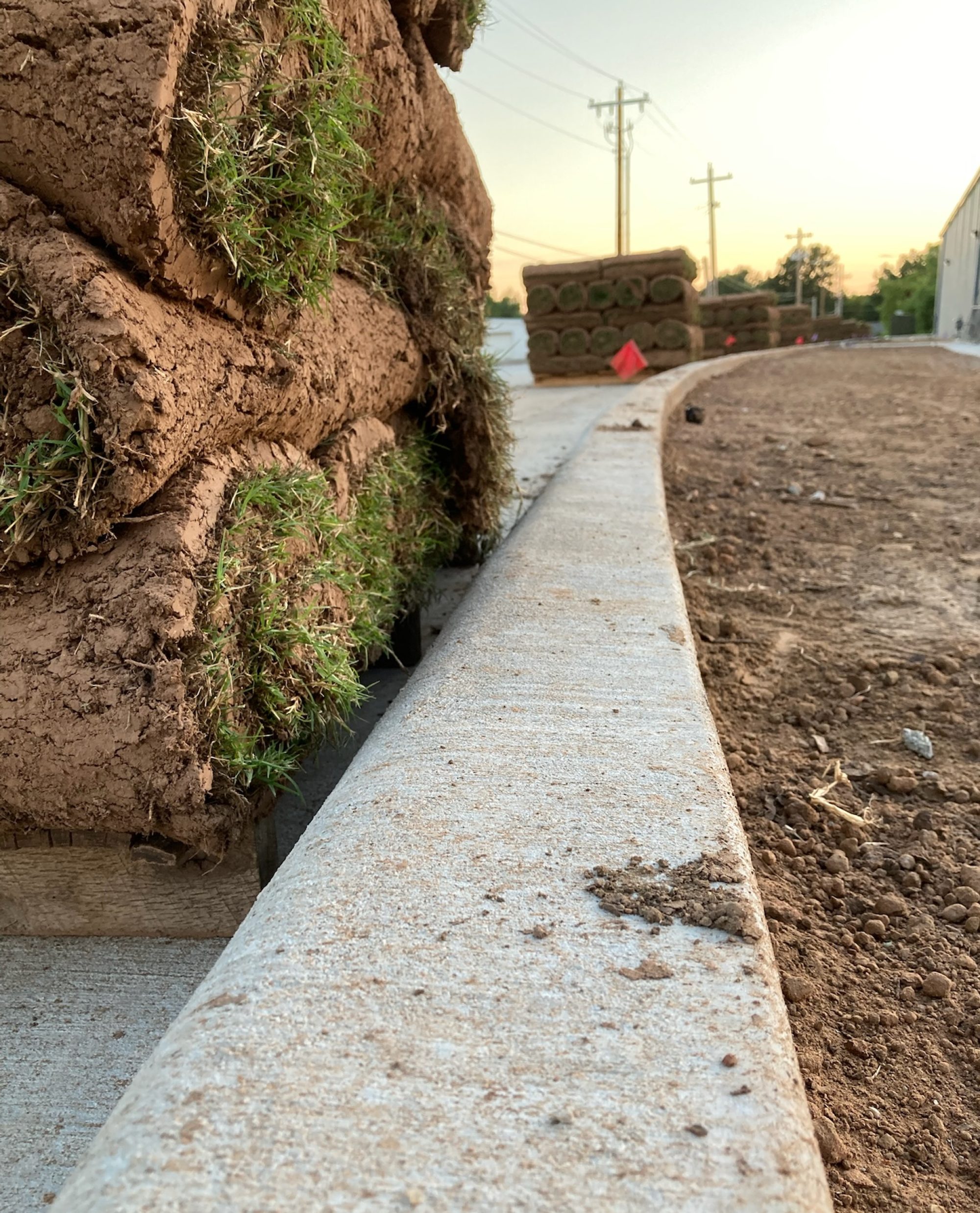
July Sod Delivery in Tulsa: Timing That Minimizes Disease Risk and Promotes Healthy Turf Establishment
Moisture Management, Rapid Rooting, and Canopy Development Are Key to Preventing Turf Diseases
Concerned that July’s frequent rains might increase the risk of fungal diseases after sod installation?
Worried about how soil moisture and temperature will influence pathogen activity during establishment?
Unsure if installing sod now will lead to more turf stress and vulnerability to diseases?
For properties across Tulsa, Broken Arrow, Coweta, and neighboring areas, sod delivery and installation during July through early August 2026 coincides with environmental conditions that can either suppress or promote disease development. Understanding how moisture, temperature, and turf physiology interact during this window is critical for successful turf establishment with minimal disease outbreaks.
Why July Sod Installation Can Reduce Disease Pressure When Managed Properly
The balance of moisture and temperature during July creates a microclimate that can favor both rapid turf growth and certain foliar or root pathogens. However, when sod is installed quickly and managed attentively, disease risks are greatly minimized.
- Rapid soil-to-root contact allows turf to quickly reestablish water and nutrient uptake, limiting stress that predisposes plants to infection.
- Dense turf canopy development shades the soil surface, reducing spore germination of many foliar pathogens that require light and humidity cycles.
- Proper drainage and avoiding waterlogging during and after installation reduce conditions favorable to soilborne diseases like Pythium and Phytophthora.
These principles are especially critical in zip codes such as 74133 (Tulsa), 74012 (Broken Arrow), and 74429 (Coweta), where soil types and weather patterns influence water retention and pathogen prevalence.
Sod Species Selection Influences Disease Susceptibility and Establishment Success
Different turfgrass species vary in their resistance to common pathogens and their ability to recover from stress.
- Bermuda grass has a high tolerance to many fungal diseases when well-established and recovers rapidly from minor infections.
- Zoysia grass grows slowly but forms a dense turf that can physically restrict pathogen spread.
- Fescue, while adapted to cooler conditions, can be more susceptible to certain leaf spot diseases in warmer months and requires careful watering management.
Selecting the appropriate species for the site reduces pathogen pressure by promoting vigorous growth and creating an unfavorable environment for disease development.
Zip Code–Based Delivery Minimizes Sod Stress and Pathogen Entry Points
Prompt delivery and installation are vital because prolonged holding times increase stress in sod and open windows for opportunistic pathogens to colonize.
By coordinating deliveries in neighborhoods such as Jenks, Bixby, and Glenpool within targeted timeframes, the sod spends minimal time off the ground, limiting physiological decline and the risk of infections developing before installation.
Morning Pickups Help Maintain Sod Health and Reduce Disease Risk
Pickup windows from 7:00 AM to 10:00 AM, Monday through Friday coincide with lower ambient temperatures and higher humidity that preserve sod turgor and reduce heat stress.
Sod that arrives cooler and fully hydrated has stronger defense responses against pathogens and establishes a protective canopy faster, limiting opportunities for foliar diseases like dollar spot or brown patch to take hold.
July Rainfall: A Double-Edged Sword That Supports Rooting But Requires Vigilance
Rain provides the necessary moisture for sod root establishment but also creates conditions favorable for some pathogens if water is allowed to stagnate.
- Well-drained soils combined with prompt watering following sod placement encourage root growth without excess surface moisture.
- Regular monitoring to avoid prolonged leaf wetness, especially overnight, helps reduce incidence of foliar diseases.
- Supplemental irrigation should be carefully timed to complement natural rainfall and prevent oversaturation.
In areas like Bixby, Jenks, and Owasso, disease incidence can be effectively managed with proper irrigation practices during this rainy period.
August: Root Expansion and Canopy Density Help Suppress Disease Development
As sod roots deepen and the turf canopy thickens during August, the microenvironment shifts in ways that reduce pathogen establishment.
- Dense turf blades reduce light and moisture at the soil surface, limiting spore germination and pathogen proliferation.
- A vigorous root system improves plant health and systemic resistance to soilborne diseases such as root rot and take-all patch.
- Balanced nutrient availability supports cellular defense mechanisms and reduces susceptibility to opportunistic infections.
This period is critical for building disease resistance before cooler, wetter fall conditions set in.
September: Visible Turf Health Reflects Early Disease Management Success
The quality and uniformity of your turf in September offer a window into how well early disease pressures were mitigated.
Well-timed sod installation leads to:
- Reduced patchiness and disease lesions on leaves
- Uniform growth that crowds out weeds and disease vectors
- Enhanced resilience to fall fungal diseases by establishing a strong root foundation
Late-season installations often experience delayed rooting and weakened disease resistance, increasing the likelihood of pathogen outbreaks.
Homeowners Can Optimize Disease Control by Leveraging Natural Growth Cycles
For larger installations between 5,000 and 10,000 sq ft in communities like 74136 (South Tulsa), 74014 (Broken Arrow), and 74008 (Bixby), aligning sod delivery with peak growth conditions reduces disease risk by:
- Promoting rapid canopy closure, which reduces leaf wetness duration
- Minimizing water stress that predisposes turf to infection
- Encouraging microbial communities in the rhizosphere that suppress soilborne pathogens
Contractors Benefit From Reduced Callbacks by Installing During Peak Establishment Windows
In project areas such as Coweta, Claremore, and Sand Springs, sod installations during this July–August window experience:
- Lower incidence of common turf diseases due to favorable environmental conditions and fast root recovery
- Improved turf density and uniformity, reducing vulnerable spots that often harbor pathogens
- More predictable scheduling and fewer costly disease management interventions
Frequently Asked Questions About Disease Management and Sod Installation
Q: Will sod installation during July increase disease risk?
A: When properly managed with attention to soil drainage and watering, sod installation during July can minimize disease risks by promoting rapid turf establishment and canopy closure.
Q: How much sod do I need for 6,000 sq ft?
A: Approximately 12–13 pallets, accounting for slight overage to ensure full coverage and minimize gaps that can harbor pathogens.
Q: Is rain a problem for sod health?
A: Rain supports rooting but requires careful monitoring to avoid excess leaf wetness and waterlogging, which can increase fungal disease risk.
Q: When is the best time to water newly installed sod?
A: Early morning irrigation is preferred to allow foliage to dry quickly, reducing conditions favorable for fungal spores.
Q: Can sod installed in September establish disease resistance?
A: Later installations have shorter growing windows before cooler weather, which may limit root development and increase vulnerability to disease.
Secure Your Sod Delivery and Minimize Disease Risks This Season
Timing sod installation with environmental conditions that promote rapid establishment and minimize pathogen activity is essential for long-term turf health.
? Call (918)340-3013
? Visit quantumsod.wordpress.com
? Request a Disease Management Guide or schedule a 15-minute consultation


Discover more from Quantum Sod | Oklahoma Sod Supply | Oklahoma Sod Delivery | Oklahoma Sod Installation (918)340-3013
Subscribe to get the latest posts sent to your email.