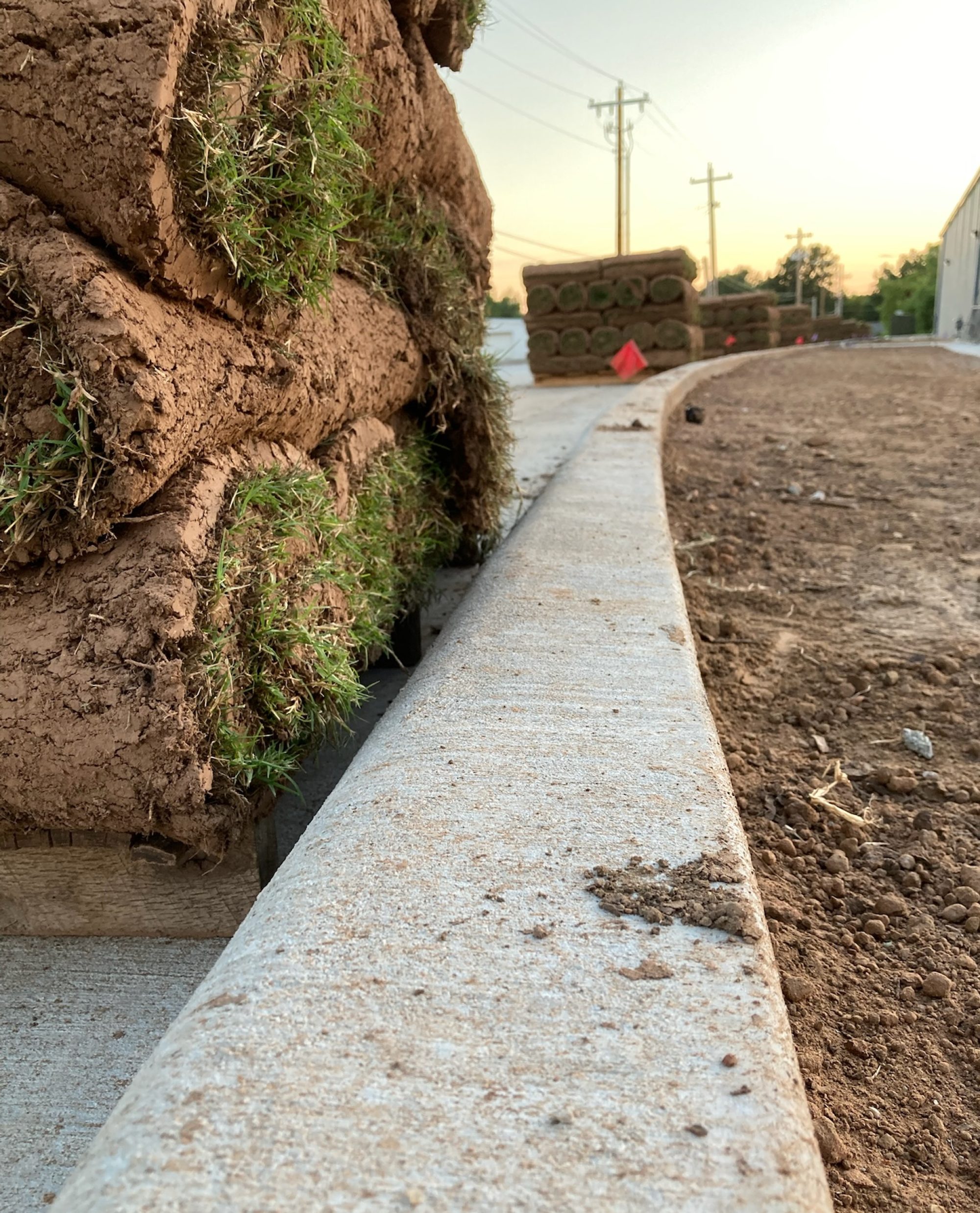
Why July Sod Delivery in Tulsa Sets the Stage for Superior Lawn Establishment in 2026
Aligning Sod Installation With Environmental Signals, Resource Availability, and Growth Physiology
Successful lawn establishment is not just about laying sod—it’s about placing a living photosynthetic system into an environment where it can efficiently allocate energy toward survival, root development, and long-term growth. In regions like Tulsa, Broken Arrow, and Coweta, July through early August 2026 provides the optimal window for installing sod if your goal is to support rapid physiological integration with the local soil and climate conditions.
🌱 July Is the Sweet Spot for Root Initiation and Energy Allocation
Freshly harvested sod arrives with a finite store of carbohydrates, moisture, and hormonal cues that regulate how and where energy is spent. The environmental conditions in July—consistent moisture from rainfall and sustained soil warmth—support a favorable metabolic response in turfgrass:
- Soil temperatures remain within the ideal range (70–85°F) for rapid root meristem activity.
- Photosynthesis remains high, allowing the turf to transition from carbohydrate-consuming survival to carbohydrate-producing autonomy.
- Water availability from rainfall reduces abiotic stress, minimizing energy diversion toward stress signaling compounds (like ABA) and allowing turf to focus on cellular expansion and root elongation.
This environmental synergy allows the sod to prioritize root-to-soil bonding, vascular reconnection, and the synthesis of new structural tissue.
🚛 Delivery Timing Directly Influences Sod Physiology
Sod is in a vulnerable, detached state once harvested. Delays between harvest and installation can trigger anaerobic respiration, carbohydrate depletion, and increased ethylene accumulation—conditions that negatively affect rooting and leaf turgor.
To maintain physiological integrity:
- Schedule delivery or pickup between 7:00 AM and 10:00 AM, Monday through Friday. Cooler temperatures during this window slow down respiration and preserve turgidity.
- Deliveries across Tulsa, Broken Arrow, Jenks, Bixby, Owasso, Sand Springs, and Coweta are routed to minimize time from harvest to soil contact.
- Install sod immediately after delivery to reduce the metabolic costs of heat exposure and tissue desiccation.
Every hour counts—the goal is to allow the sod to resume nutrient and water uptake before its internal reserves are exhausted.
📐 Coverage and Surface Contact Are Critical for Water and Nutrient Transfer
New sod cannot perform full-scale water or nutrient uptake until root-to-soil contact is re-established. That process begins the moment rhizosphere signaling resumes.
- 1 pallet = ~500 sq ft (about a one-car driveway)
- 10,000 sq ft = 20 pallets (roughly a baseball infield)
- Ensure complete surface contact with no air pockets beneath the sod. Even minor gaps inhibit capillary water movement, reducing water availability at the root interface.
Add 5–10% extra sod to account for irregular cuts and edge losses—any exposed soil invites desiccation and weed intrusion, which disrupt the early metabolic balance.
🌿 Turf Species Differ in Resource Use and Growth Strategy
Grass species exhibit different physiological strategies—some prioritize fast lateral spread, others focus on vertical growth or shade tolerance.
- Bermuda rapidly initiates stolon and root growth in high light and heat, making it ideal for full-sun environments with heavy foot traffic.
- Zoysia grows more slowly but invests heavily in dense shoot systems that suppress weed establishment.
- Fescue directs more energy toward deep root systems and remains metabolically active in partial shade but may require supplemental irrigation during heat stress.
Understanding your yard’s environmental context (sun exposure, soil texture, drainage) ensures your sod’s physiological traits align with its surroundings.
🌧️ July Rainfall = Built-In Irrigation and Faster Cellular Recovery
Soil moisture from rainfall reduces the plant’s need to initiate stress-defense pathways. This is critical because sod initially lacks full stomatal control and is highly sensitive to water deficit.
- Consistent rain allows cells to maintain turgor, enabling leaf expansion and early photosynthetic rebound.
- Minimal stress hormone production (like ABA and ethylene) means the plant can prioritize mitosis and root hair development over survival mode.
- Rain may delay harvesting in wet fields—so pre-schedule sod delivery early to ensure your install window stays open during peak growth conditions.
🛠 DIY Lawn Establishment Backed by Plant Science
For homeowners in Tulsa, Broken Arrow, Bixby, and surrounding zip codes, proper handling and installation align the sod’s biology with your lawn goals:
- Water 2–3 times daily for the first 7–10 days (light, consistent moisture supports new root primordia formation).
- Begin mowing once roots resist gentle tugging and shoots exceed 3″—this indicates that vascular integration is occurring.
- Avoid fertilizing in the first 3 weeks unless using a balanced starter fertilizer with phosphorus (key for early root metabolism).
- Delay any herbicide applications until the turf resumes active growth post-establishment—chemical stress during rooting impedes cell division and elongation.
🧠 Frequently Asked Questions — Answered with Plant Logic
Q: Can I install sod during or after a rain?
Yes. Wet soil promotes root bonding and minimizes transplant shock. Just ensure water doesn’t pool beneath the sod.
Q: Why wait to fertilize?
The plant needs time to reallocate resources from stored carbohydrates to root production. Forcing top growth too soon disrupts this process.
Q: Is early morning installation really that important?
Absolutely. Cooler temps reduce respiration, allowing the sod to conserve energy for critical root and xylem reconnection.
Q: What happens if I see yellowing?
Some chlorosis is normal as the sod switches from storage mode to active metabolism. If water is consistent, new green growth will follow.
📦 Ready to Give Your Lawn a Physiological Head Start?
Aligning sod installation with plant development patterns ensures stronger establishment, better long-term performance, and fewer inputs later.
📞 Call (918)340-3013
🌿 Visit quantumsod.wordpress.com
📋 Schedule a 15-minute call to plan your installation and timing


Discover more from Quantum Sod | Oklahoma Sod Supply | Oklahoma Sod Delivery | Oklahoma Sod Installation (918)340-3013
Subscribe to get the latest posts sent to your email.