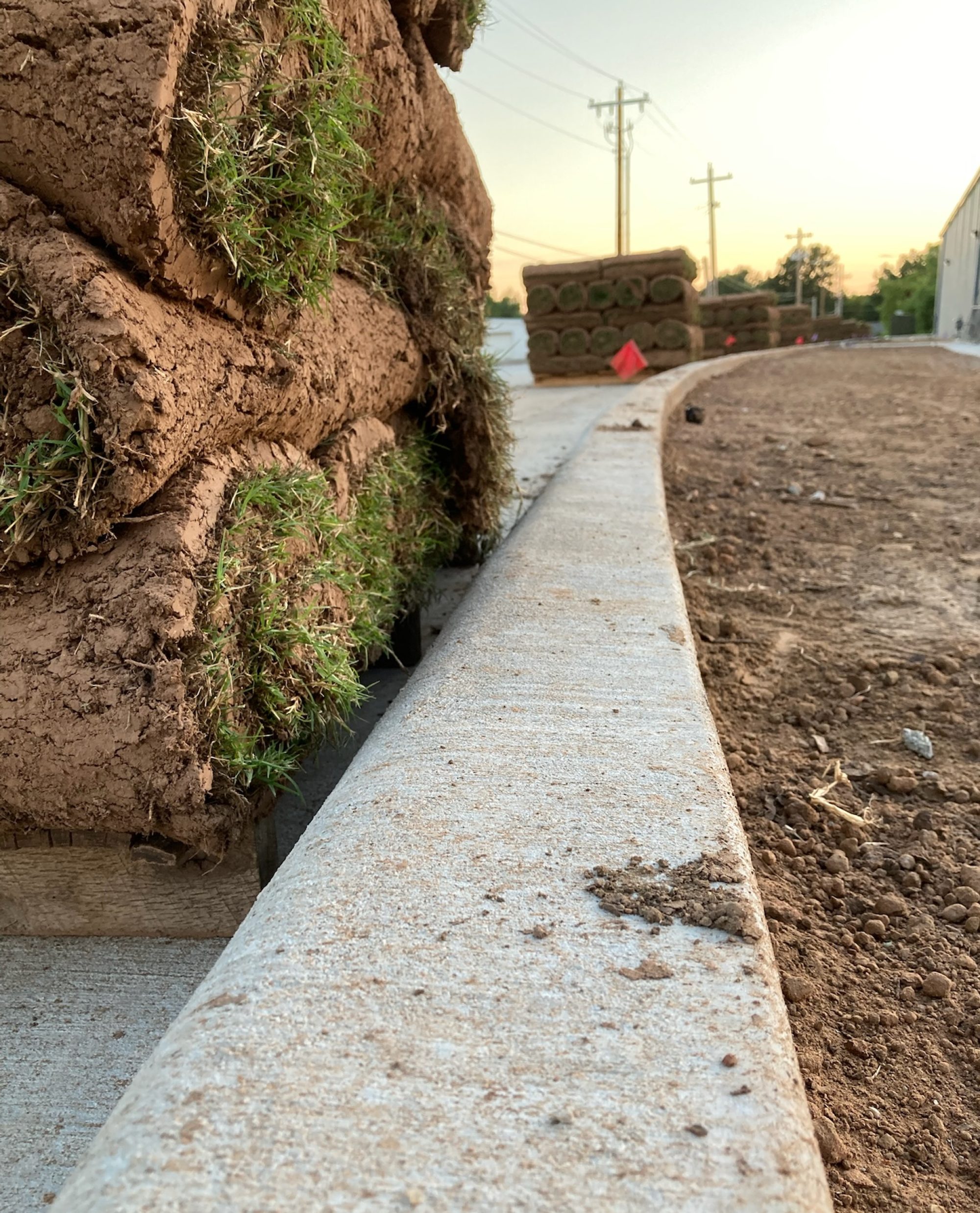
July Sod Delivery in Tulsa: The Smart Window for Root Success and Field-Ready Turf in 2026
Timing Your Sod Installation Like a Proven Field Operation
When you’re managing any kind of groundcover system—whether it’s a food crop or turfgrass—timing, site prep, and resource management determine whether you’re setting the stage for success or fighting losses later. For homeowners and contractors in Tulsa, Broken Arrow, Coweta, and surrounding zip codes, the July through early August 2026 window offers a performance advantage that mirrors proven crop establishment patterns in field systems.
🌾 Why July Is Ideal for Sod Establishment: Soil Temp, Moisture & Growth Windows
Just like early-season field crops respond best when soil temperatures and soil moisture align, sod responds aggressively when installed under optimal growth signals.
- Soil temps in July hold steady in the 70–85°F range, ideal for rapid rhizosphere expansion.
- Rain events keep the soil profile moist, which drives root extension deeper into the sublayer.
- Sunlight and heat accelerate top growth and initiate tillering in sod-forming grasses.
You’re leveraging nature’s peak growing conditions to drive rapid establishment—before fall sets in and metabolic efficiency drops.
🚚 Sod Delivery Logistics Work Like a Harvest Chain
Once sod is cut, the clock is ticking. Similar to how harvested crops degrade without proper handling, sod begins respiration the moment it leaves the field.
To preserve viability:
- Pickups and deliveries run weekdays from 7:00 AM to 10:00 AM for cooler transit and immediate installation.
- Routes are structured by zip code across Tulsa, Jenks, Bixby, Broken Arrow, Coweta, and Sand Springs to minimize post-harvest lag.
- Sod should be unrolled and watered the same day to re-establish moisture pathways and reduce desiccation losses.
Fresh sod equals a higher percentage of successful rooting. Degrade that freshness, and you’re risking establishment delays or partial failures.
📏 Calculate Acreage (or Yardage) Like You Would a Field Plot
Accurate square footage planning reduces waste and minimizes open soil that can become weed-prone or compacted.
- 1 pallet = ~500 sq ft, or about the size of a single-vehicle driveway.
- 10,000 sq ft = 20 pallets, a typical half-acre lawn or small ballfield surface.
- Always order 5–10% over to account for edge loss, miscuts, or sloped terrain.
Consistent, gap-free coverage mirrors uniform crop emergence—it’s the starting point for long-term turf dominance.
🌿 Turf Type Selection Is a Functional Match to Site Conditions
Just like selecting seed varieties for soil type, rainfall, and sunlight, turf selection requires matching physiology to site demands.
- Bermuda: Fast cover, aggressive lateral spread, thrives in high heat and full sun.
- Zoysia: Dense and drought-tolerant, slower to establish but superior for weed suppression and water conservation.
- Fescue: Best for shaded or cool areas, but requires consistent irrigation and fungicide monitoring under heat stress.
Your choice determines your input needs—wrong match equals higher maintenance and poor ROI.
🌧️ July Rainfall Helps, but Harvest Schedules Get Tight
Rainfall in July supports early rooting and reduces irrigation requirements, but it also limits access to fields and slows harvest crews.
- Book delivery early, especially in Tulsa County and eastern OK, where July storms are common.
- Monitor soil moisture post-install—a 1″ soaking every 2–3 days in weeks one and two is ideal for rooting.
- Avoid flooding or pooling—oversaturation causes oxygen loss and weakens early root anchoring.
Rain is a gift, but it must be balanced with access, install timing, and sod health.
⚙️ DIY Installers: Think Like a Field Crew
Whether you’re installing 1 pallet or 20, you need a system that mirrors field crop efficiency:
- Prep the soil: Till or loosen 1–2” of the top layer, remove debris, level grade.
- Pre-water the ground lightly before sod hits the surface—this promotes root-to-soil contact.
- Lay in rows, offsetting seams like bricks to reduce erosion and wind gaps.
- Roll or tamp the sod after laying to eliminate air pockets and ensure full root contact.
- Irrigate immediately and maintain consistent moisture for 10–14 days.
Don’t treat sod like décor—treat it like a living plant system being transferred mid-cycle.
💡 FAQs Based on Field Logic
Q: Can I install during rainy weeks?
Yes. Just avoid saturated soil or standing water. Sod needs firm contact with a moist—but not sloppy—surface.
Q: Should I fertilize immediately?
Use a starter fertilizer at install if soil test levels are low in phosphorus. Avoid high nitrogen too early—focus on root development first.
Q: What if weeds appear after install?
Expect light emergence in any disturbed site. Wait 3–4 weeks before applying selective herbicides—give the turf time to establish dominance.
Q: Can I pick up the sod myself?
Yes, during the early morning pickup window. Handle it like you’d handle harvested produce—keep it shaded, install immediately.
📦 Ready to Schedule Sod Like a Pro?
Maximize your turf establishment the same way you would a high-value crop—by managing timing, moisture, and plant-to-soil contact with precision.
📞 Call (918)340-3013
🌿 Visit quantumsod.wordpress.com
📋 Book a quick 15-minute call to plan your sod delivery and install window
Discover more from Quantum Sod | Oklahoma Sod Supply | Oklahoma Sod Delivery | Oklahoma Sod Installation (918)340-3013
Subscribe to get the latest posts sent to your email.