Why July 2025 Is the Critical Window to Reestablish Functional Groundcover Across Tulsa Landscapes
After any land disturbance—construction, compaction, or bare exposure—there’s a short window when the site’s biological and physical systems are still responsive. This summer, across Tulsa, Broken Arrow, Jenks, and Coweta, that window is open.
The soil is hydrated. Temperatures are moderated. The rain is consistent—but harvest access is tightening. Whether you’re a homeowner trying to reclaim eroded ground or a contractor managing jobsite deadlines, the time to establish functional vegetation is now.
Here’s what most people don’t understand about sod—and what field practitioners are watching closely.
? Sod Provides Immediate Functional Cover—But It Requires the Right Site Conditions
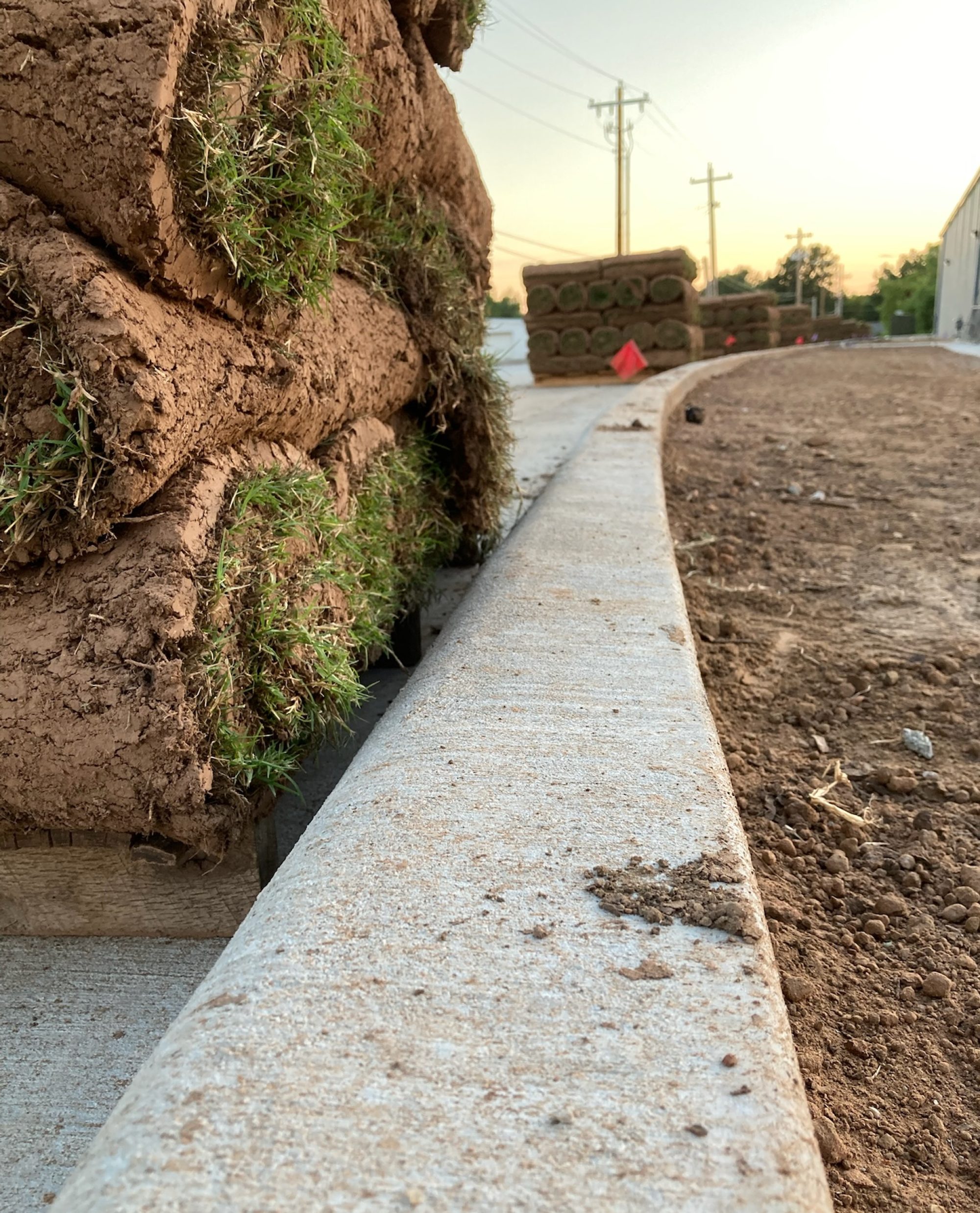
Fresh sod is not just cosmetic—it’s an intervention tool. When laid correctly, it prevents surface destabilization, slows erosion, and begins the successional process of reestablishing vegetation.
But timing is everything. To take hold, sod requires alignment between biotic potential (the plant’s ability to regenerate) and abiotic support (moisture, oxygen, soil temperature). July 2025 has delivered that match: surface soils are moist, but not saturated, and ambient conditions are allowing for rapid root-soil interface activity.
This reduces transplant shock, encourages rhizospheric development, and sets the stage for long-term landscape function.
? Hydrologic Function Is Being Supported Naturally—That Will Not Last
Restoring groundcover isn’t about looks—it’s about hydrologic buffering. When land is left bare, rainfall moves across the surface, increasing runoff, sediment loading, and downstream disruption.
Sod, when installed during optimal rainfall periods, becomes an instant infiltration layer, absorbing stormwater, reducing compaction, and allowing moisture to move vertically—rather than horizontally—across the site.
This July, Oklahoma’s rainfall has created ideal field moisture content, supporting that vertical movement without triggering anaerobic conditions. Sod installed now will lock in those benefits before weather patterns shift and irrigation dependence returns.
? Delayed Installation Means Degraded Site Recovery
What most property owners don’t see is that post-disturbance sites degrade fast. Once vegetation is stripped, soil begins to oxidize, microbial life declines, and compaction increases with every rainfall.
By July’s end, the exposed subsoil starts forming hydrophobic layers and crusting at the surface, especially in Oklahoma’s clay-heavy soils. Sod laid now helps prevent that by keeping the surface biologically active, shielding against sealing, and maintaining root zone permeability.
Waiting even a few weeks can double the effort it takes to reestablish function. Speed matters—not just for looks, but for ecological performance.
? For Homeowners Managing 5,000–50,000 sq ft of Exposed Ground
You might think your lawn just needs water and time. But if it’s bare, compacted, or recently graded, the land is likely moving backward—not recovering.
Sod laid during July’s mild, rainy conditions helps restore site resilience by rebuilding organic interaction at the surface. It becomes a transitional phase between raw earth and more complex plantings later—whether native or ornamental.
DIY or delivery, the key is to install before evapotranspiration increases and moisture levels fall below rooting thresholds.
?? For Contractors: Field Access Is Now the Limiting Factor—Not Inventory
Large-scale restoration on development sites or municipal projects depends on more than truck availability. Field operability is already being impacted by harvest delays.
In wet conditions, harvesters can’t move across sod farms without disrupting the root zone or compacting production soil. That means supply is now being rationed by accessibility, not just demand.
Contractors ordering 10+ pallets of Bermuda, Zoysia, or Fescue this week are securing more than turf—they’re locking in the last window for stable installation before logistics take over.
? Act Now to Protect the Site—Before Recovery Gets More Expensive
? Call (918)340-3013 to place your sod order now.
? Ask for the Master Sod Comparison Sheet—to select species that match your slope, soil, and sun conditions.
? Visit quantumsod.wordpress.com to schedule your free 50-minute restoration consultation.
Final Thought: Vegetation Follows Opportunity, Not Intention
In degraded systems, vegetative succession doesn’t wait—it either proceeds or collapses. July 2025 offers rare alignment: favorable moisture, field access, and plant availability. Delay, and you risk missing the window when the land can still recover naturally, without excessive labor or amendment.
Sod may look like a lawn on the surface. But when timed and installed correctly, it’s the first step in rebuilding ecological function from the ground up.
Install smart. Stabilize early. Let the land respond while it still can.
Discover more from Quantum Sod | Oklahoma Sod Supply | Oklahoma Sod Delivery | Oklahoma Sod Installation (918)340-3013
Subscribe to get the latest posts sent to your email.