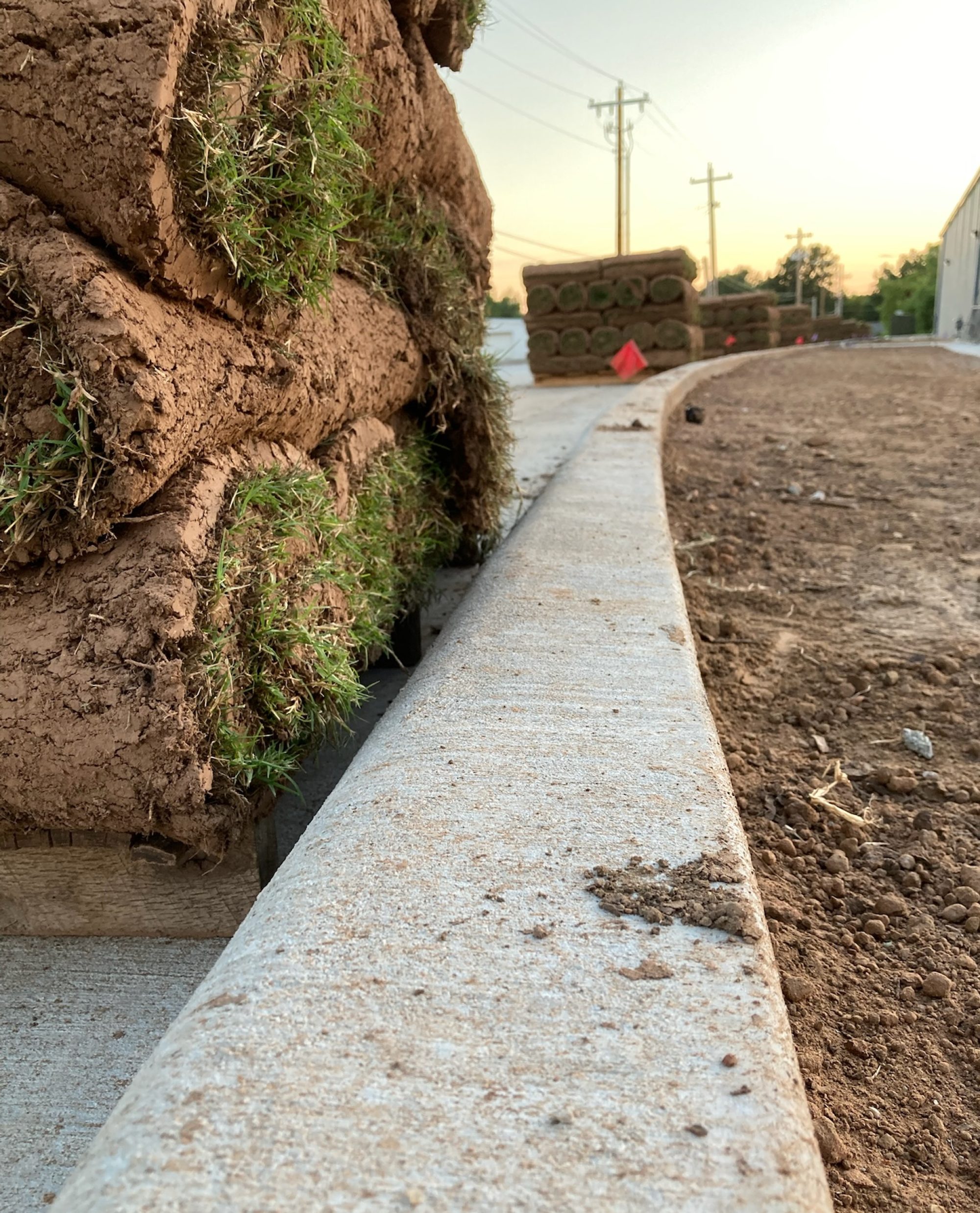
Turf That Works: Why July 2026 Is the Moment for Functional Sod Installation Across Tulsa
In managed urban landscapes, turf isn’t just for aesthetics—it’s a key component of site resilience. Whether you’re covering bare ground after new construction or finishing a jobsite in Broken Arrow, Jenks, Coweta, or Tulsa, sod functions as a living infrastructure layer. Done correctly, it supports runoff control, cooler surface temperatures, root zone hydration, and long-term ground stability—and it does it immediately.
This July 2026, the conditions are lining up: saturated soils, mild temperatures, and high daylight availability are giving sod its best chance to take root fast. But that same rain is starting to close off field access—meaning harvests are slowing even as demand surges.
Here’s what turf professionals see that most property owners don’t—and why now is the moment to act.
?? Rooting Starts in the Soil—And July Is Delivering the Ideal Conditions
Sod is a stress-sensitive system. When it’s harvested, its roots are disrupted. For it to survive, it needs immediate contact with the new soil surface—with enough moisture to trigger lateral rooting and oxygen to maintain healthy respiration.
What’s happening this month across eastern Oklahoma is rare: rainfall has created a consistent saturation band in the upper soil profile, without reaching the anaerobic threshold. That allows sod to establish quickly, with minimal water input, making irrigation nearly unnecessary for the first week.
But that balance can’t last. Too much rain and harvesters can’t get into the fields. Too little, and homeowners are back to watering daily just to prevent curl and burn. Right now, the site is doing the work for you.
? Groundcover Plays a Critical Role in Landscape Performance
When we talk about site success, we’re really talking about how different layers of the landscape work together: hardscape, canopy, soil, and vegetative cover.
Sod helps close the loop. It provides instant groundcover, reducing wind erosion, stabilizing soil temperatures, and serving as a buffer that protects deeper-rooted plants along beds, tree lines, and structural edges.
It also slows stormwater, giving infiltration a chance to happen rather than letting water sheet across sidewalks or gutters. On residential and commercial properties alike, turf laid under the right conditions improves both performance and longevity of the site.
?? Turf Cools More Than You Think—If It’s Installed at the Right Time
While tree shade often gets the credit for cooling, turfgrass contributes through evapotranspiration, pulling heat from the surface and keeping ground-level temperatures significantly lower than bare soil or hardscape.
But here’s the part most people miss: turf only offers this benefit when it’s actively growing. Sod that’s under moisture stress or hasn’t rooted yet won’t moderate heat well. That’s why timing the install during high-moisture, low-stress windows—like July 2026—is essential.
When rooted in time, sod becomes part of the microclimate strategy for the property, especially in exposed zones or full-sun areas where shade is limited or still maturing.
? For Homeowners Restoring Open Space
If your yard is bare or recently disturbed, you’re dealing with soil degradation, compaction, and runoff risk whether you see it or not. Sod closes those vulnerabilities fast, especially when conditions allow for passive rooting and uniform growth.
The moisture levels this month mean you don’t need to do as much prep or watering—the conditions are building root structure naturally, especially in areas 5,000–50,000 sq ft where surface area multiplies your risks and your costs.
DIY is absolutely viable right now. Whether you’re taking delivery or picking up yourself, this is the time when sod becomes the low-labor, high-reward option.
?? For Contractors Working in Volume
You’re not just laying grass. You’re managing timelines, trafficability, and performance warranties. And right now, the farms are getting harder to access by the day. Wet fields reduce harvest rates. That affects your delivery schedule.
You already know the value of laying sod when evapotranspiration, ground temp, and sunlight are all on your side. But fewer are watching how 10+ pallet orders are being delayed as field saturation continues.
If you wait until the next dry spell, sod may be available—but the installation conditions won’t be. Secure your orders before access—not inventory—becomes the problem.
? What to Do Before the Weather Shifts
? Call (918)340-3013 to secure your sod order
? Ask for the Master Sod Comparison Sheet to match turf to sun, traffic, and soil performance
? Visit quantumsod.wordpress.com to schedule your free 15-minute consultation
Final Word: Systems Work When Timing Is Right
In built landscapes, nothing works in isolation. Grass cools the ground, slows the water, binds the soil, and prepares the site for long-term planting success. But it only does that when it roots fully—and rooting is driven by conditions, not the calendar.
This July 2026, nature has taken the lead.
The moisture is there. The temperature is right.
But fields are getting harder to cut by the day.
If you want turf that works, you need to move now.
For your site. For your soil. For the whole system.
Discover more from Quantum Sod | Oklahoma Sod Supply | Oklahoma Sod Delivery | Oklahoma Sod Installation (918)340-3013
Subscribe to get the latest posts sent to your email.