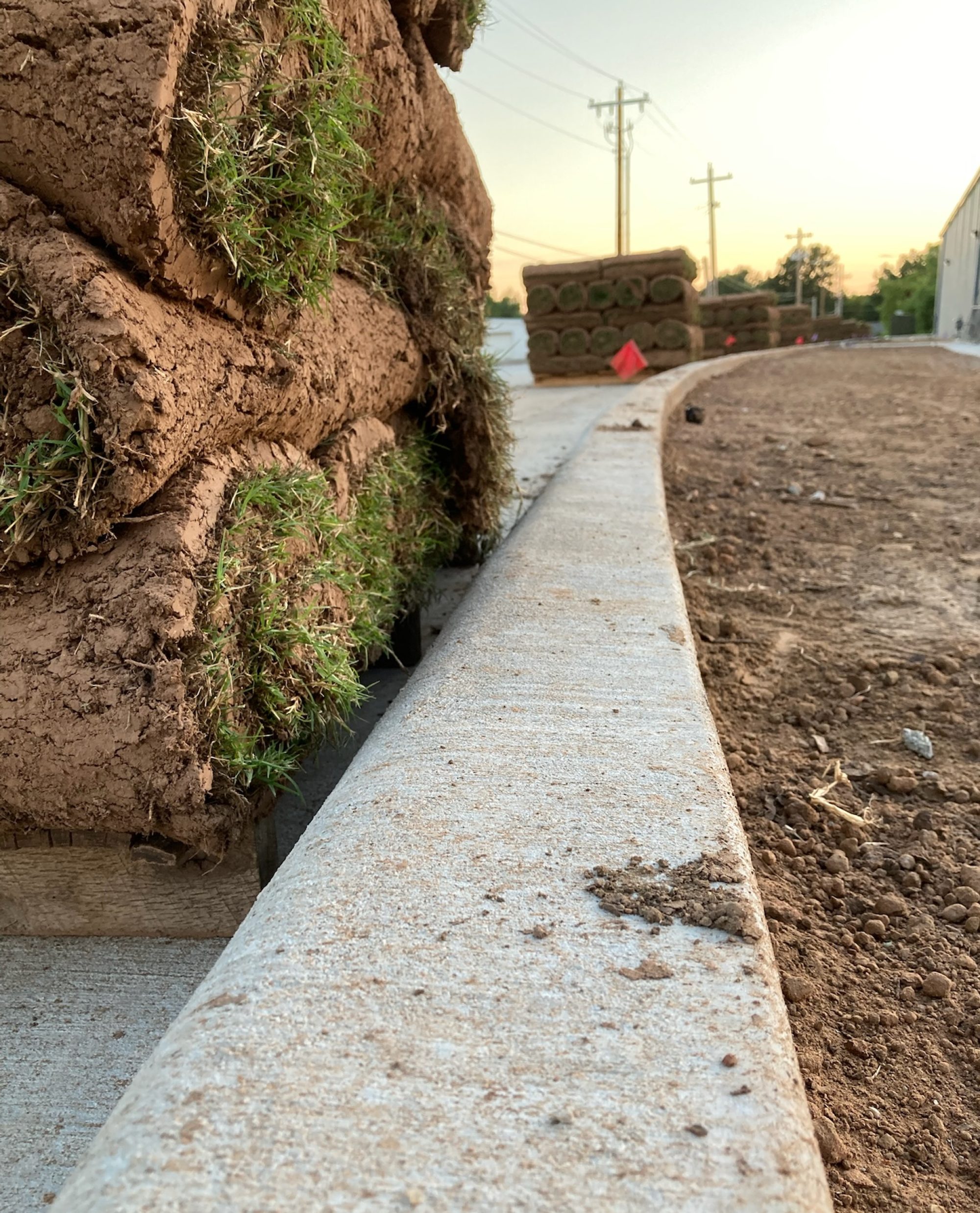

Why Installing Bermuda Sod in Winter Is a Bad Idea (Especially for Smart Oklahoma Homeowners)
Are you considering a Bermuda sod installation this October or November in Tulsa, Broken Arrow, Coweta, Jenks, or Bixby? Think again. If you’re a homeowner who doesn’t have money to waste on a failing lawn project, this article is for you. Installing sod in the winter might sound harmless, but it’s about as sensible as painting a house in the rain – nature will undo your hard work and empty your wallet in the process. Below, we break down four science-backed reasons why winter sod installation will flop, and why waiting until spring 2026 is the smart move for your lawn and budget.
Whether you plan a DIY sod pick-up, schedule sod delivery, or hire a professional sod installation, timing is everything. Let’s dive into why laying Bermuda sod in winter is a bad bet for anyone in the Tulsa area who wants a lush lawn (and not a brown, dead one).
1. Dormancy: Bermuda Sod Goes into “Sleep Mode” All Winter
Dormant Bermuda sod (brown rolls) being installed at a new home during winter. The grass is inactive and brown until warmer weather returns.
Bermuda grass is a warm-season turf that essentially hibernates in winter. As soon as temperatures drop, this grass hits the snooze button: it stops growing and turns brown until spring warmth returns. In Oklahoma, Bermuda starts going dormant by late September to November, depending on the weather. By October/November, your freshly laid sod won’t be green or growing – it will be a patchy brown carpet, just lying there until April.
Expecting Bermuda sod to thrive in winter is like expecting a bear to wake up and mow your lawn during hibernation. It’s not going to happen. The grass isn’t dead, but it’s inactive: it won’t put down new shoots or roots while dormant. In practical terms, a winter-installed Bermuda lawn will stay brown and lifeless all season, only greening up months later (if it survives). So if instant curb appeal is what you’re after, winter sod installation will give you the opposite – a brown lawn that looks as if it never left the store. For homeowners in Tulsa and surrounding areas, that means paying for sod now only to stare at a dormant, muddy-looking yard until spring. Not a great return on investment!
2. No Root Growth: New Sod Won’t Take Hold in Cold Soil
When sod is laid, its success hinges on one thing: root establishment. In winter, Bermuda’s roots aren’t actively growing – at best they grow extremely slowly, and below about 50 °F soil temperature they won’t grow at all. In other words, the sod you install in chilly weather just sits on top of the ground like an unplugged appliance. Turf experts at Oklahoma State University warn that laying Bermudagrass sod when it’s dormant or cold greatly increases the risk of failure because it has not had enough time to establish good roots. Without roots anchoring it into the soil, the sod can’t access water or nutrients, and it certainly can’t “knit” into your yard properly before harsh weather hits.
Imagine trying to plant flowers in frozen ground – nothing can take root, right? Installing Bermuda sod in winter is just like planting flowers in frozen ground. The ground is too cold for any real growth, so your sod is essentially an expensive doormat lying on the soil, not integrating with it. You wouldn’t lay down new carpet in a thunderstorm and expect it to stay dry; likewise, you shouldn’t lay down new sod in winter and expect it to root. The glue that normally makes sod installation successful (active root growth into the topsoil) is missing. Come spring, much of that sod might still be loose and unestablished, if it hasn’t died in the meantime. In short, winter conditions turn your sod installation into a waiting game until warm weather returns – wasting time and money in the process.
3. Cold Damage: Freezing Weather Can Kill Unestablished Sod
Dormant or not, winter in Oklahoma brings freezing temperatures that pose a direct threat to new Bermuda sod. Unlike established lawns (which have deeper roots and some cold resistance), freshly laid sod is vulnerable. It’s sitting at the surface with little to no root system, which means any hard freeze can damage or even kill the grass. Turf specialists advise that in regions with long freezes, warm-season grasses like Bermuda should only be planted during the growing season – extended periods below freezing can kill newly laid Bermuda sod precisely because it doesn’t have a developed root system yet. In other words, a sudden cold snap on unrooted sod can lead to large dead patches or complete winterkill by the time spring arrives.
Think of it this way: trying to establish sod before a freeze is about as wise as laying new carpet during a thunderstorm – the hostile weather will ruin your hard work. We often get early frosts and cold nights in the Tulsa/Broken Arrow area; those can “shock” and freeze burn the sod that’s not yet anchored or insulated by the soil. The result? You pay for beautiful green sod in November, and by February it’s a patchwork of brown, dead grass that never wakes up. Keep in mind, each pallet of Bermuda sod covers about 500 square feet. We’ll deliver up to 20 pallets depending on your zip code (that’s 10,000 sq ft of sod in one go) – now imagine all that sod getting zapped by frost and dying. That’s a huge expense with nothing to show for it but a lawn full of costly compost. For folks who don’t have money to burn, gambling on a winter installation is simply not worth the risk.
(Pro Tip: Some sod farms say that if you must sod in fall, you should water the sod throughout winter to help insulate it from deep freezes and prevent “winter-kill”. But that means continuing to tend and worry about that sod all winter long – and even then, there’s no guarantee Mother Nature will cooperate.)
4. Desiccation: Winter Dryness Can Secretly Desiccate (Dry Out) Your Sod
Cold damage isn’t the only threat. Paradoxically, winter dryness can be just as lethal to new sod. Dormant Bermuda sod isn’t actively growing, which fools many people into thinking it doesn’t need water until spring. Big mistake! Even in cold weather, your sod can dry out (a process called winter desiccation), especially during those sunny but chilly Oklahoma winter days with low humidity. Because the sod’s roots are minimal and the grass is “sleeping,” it can’t effectively take up water to replace what’s lost. If the winter is dry or if you forget to irrigate during a winter warm spell, the sod can literally turn into a brittle, dried mat. Scientists note that dormant turfgrass, if left without moisture, “can easily dry out in as little as a day” under the right conditions. And if the grass dies of dehydration during winter, you won’t even notice until spring when it fails to green up, by which time it’s too late.
In plain terms, winter-installed sod is like a houseplant you neglected – it might look okay for a while, but by the time you realize it’s crispy, it’s already dead. Windy winter days and occasional warm spells can wick moisture out of the sod like a blow-dryer on a wet sponge. Dormant or not, the grass is alive and needs some water to survive the winter. If you’re not prepared to baby a dormant lawn with periodic watering, you’re likely to find come April that your “new” sod isn’t coming back to life. (And even if you do water, remember that you can’t water when the ground is frozen – any extra water just sits there or turns to ice, which can cause other problems.) The bottom line: a winter sod lawn can die of thirst under your nose, turning your investment into a brown, crunchy mess by spring. That’s a risk savvy homeowners should avoid.
Wait for Spring 2026 – Your Lawn (and Wallet) Will Thank You
By now it’s clear that laying Bermuda sod in winter is a losing proposition: the grass is dormant and not rooting, cold weather can kill it off, and winter dry-outs can stealthily finish it off. Instead of throwing money at a project doomed to struggle, the best course is to be patient and plan for a spring 2026 sod installation. Turf experts universally agree that Bermuda sod establishes best in warm conditions – in fact, OSU Extension identifies late spring through summer as the prime window for installing Bermudagrass sod. When you wait until spring, the soil will be warming up, the grass will come out of dormancy, and your new sod will rapidly grow roots and thrive. You’ll get the lush, green lawn you want within weeks, rather than months of worry and disappointment.
Ready to do it the right way? Give us a call at (918)340-3013. We’ll answer your sod supply questions and help you schedule a sod delivery or installation for Spring 2026 – the optimal season for success. (Each pallet will still cover 500 sq. ft., and we can bring up to 20 pallets to your project when the time is right!) We’re even offering a Spring 2026 sod installation waitlist. Join the waitlist now, and you’ll get priority scheduling, updates on sod availability, and expert prep tips so you’ll be first in line when the weather warms up and our sod trucks start rolling.
In summary, don’t let impatience or a good fall sale tempt you into a winter sod fiasco. Protect your investment by waiting a little longer. Come spring 2026, you’ll be rolling out healthy green Bermuda sod onto warm soil, watching it root strongly within days, and enjoying a beautiful lawn by summer – with zero waste and zero worries. That’s a much better payoff than a winter sod experiment gone wrong. So hold off this winter, plan ahead, and let’s get you that dream lawn when nature is on your side! Your future self (and your wallet) will be glad you did.


Discover more from Quantum Sod | Oklahoma Sod Supply | Oklahoma Sod Delivery | Oklahoma Sod Installation (918)340-3013
Subscribe to get the latest posts sent to your email.