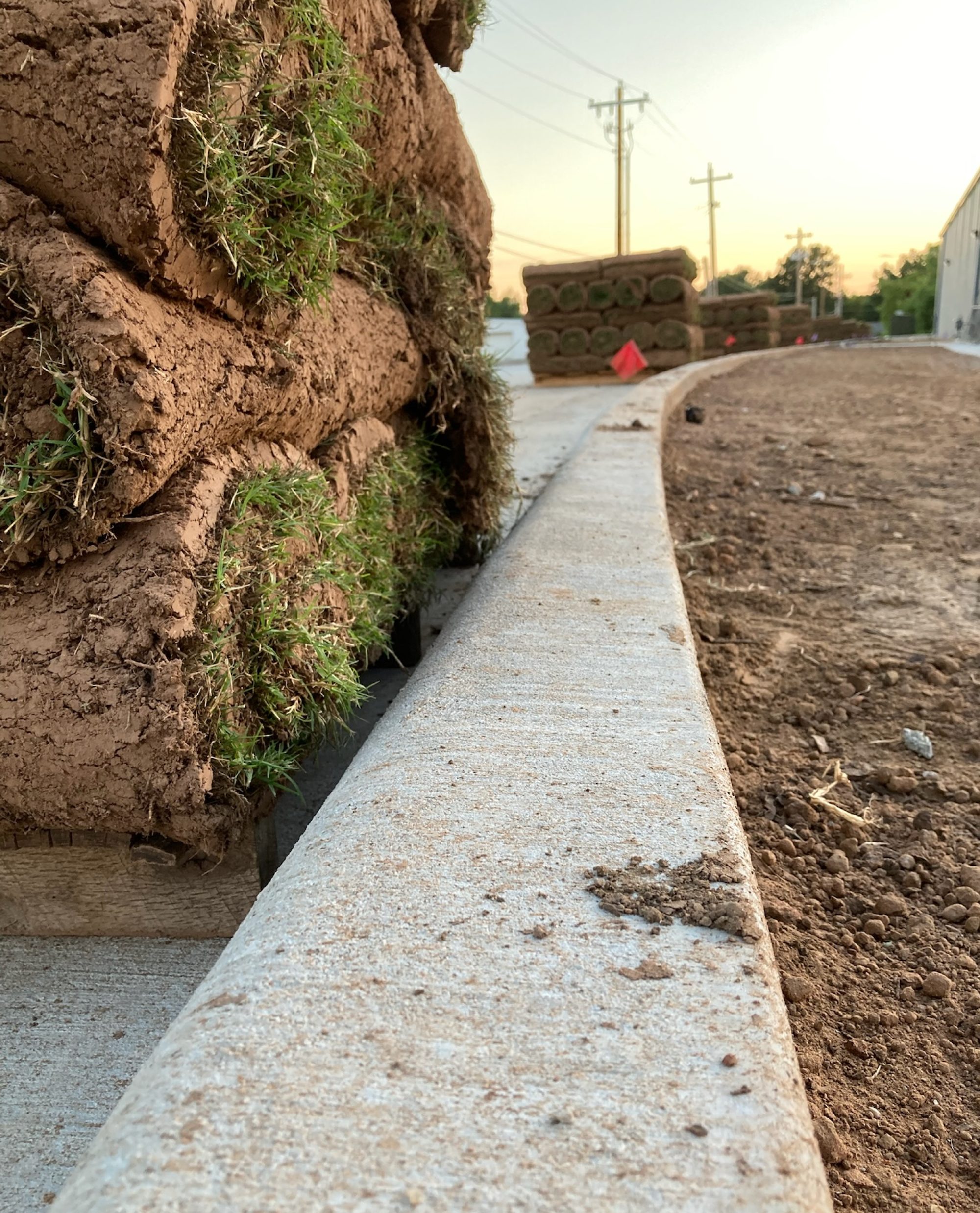

1. Metabolic Dormancy in Warm-Season Turfgrasses
Bermudagrass and other warm-season turf species enter a state of metabolic quiescence during winter. Cell activity, including division and elongation, is drastically reduced, impairing sod rooting.
💸 So you paid for sod installation in Tulsa, but your grass went on strike ‘til spring. It just sat there, collecting unemployment.
2. Photosynthetic Decline
Shorter photoperiods and lower solar radiation reduce photosynthetic rates, meaning sod cannot generate enough carbohydrates to fuel new root or shoot development.
💸 That lush sod you got delivered to Broken Arrow? It landed in your yard like “Yo, where’s the sun? I’mma wait in the truck.”
3. Reduced Root Initiation
Root primordia development is strongly inhibited by cold soil temperatures (<55°F), which directly affects sod’s ability to anchor into native soil.
💸 You paid Coweta sod farm prices, but the roots checked the weather and said, “Nah, we’ll root later, compadre.”
4. Low Soil Temperature Thresholds
Below-optimal soil temperatures limit enzyme activity involved in nutrient uptake and root elongation, essentially halting sod establishment.
💸 Your sod supply near me showed up fresh, but the soil’s too cold to cooperate. That’s like trying to grill fajitas on a snowball.
5. Impaired Nutrient Uptake
Nutrient absorption (especially nitrogen and phosphorus) is drastically reduced in cold soils, leading to pale, stressed turf incapable of early growth.
💸 You fertilized your Broken Arrow sod like it was brunch in spring, but your lawn skipped the buffet and went back to bed.
6. Water Stress From Frozen Soil Layers
Frozen or near-frozen soils lead to water uptake issues—even if surface water is present, the roots cannot access it, leading to internal drought.
💸 You watered it like a champ in Tulsa, but it couldn’t drink a drop. That’s $300 of sod delivery sitting there like “I’m parched, but frozen.”
7. Desiccation Risk
Without active root systems, sod is prone to desiccation (drying out) due to wind exposure and sun reflection, particularly in open landscapes.
💸 You laid that beautiful Coweta-grown sod out in winter winds. It dried up faster than gossip in a small-town salon.
8. Soil Microbial Inactivity
Winter microbial communities enter dormancy, which slows down decomposition of organic matter and nutrient cycling essential to new turf growth.
💸 That nutrient-rich soil from your local sod farm? Microbes hit pause like it’s winter break at ORU.
9. Increased Sod Shearing Risk
Frozen or semi-frozen ground lacks binding potential, making sod prone to shifting, tearing, or lifting under minimal physical stress.
💸 You rolled that sod out flat in Tulsa, but the first wind gust turned it into a flying carpet special.
10. Surface Frost Heave
Freeze-thaw cycles cause heaving of the sod layer, breaking root contact with soil and damaging the integrity of root establishment.
💸 Sod pricing near me said $0.48/sqft. Frost said, “Thanks—I’ll go ahead and flip it over for free.”
11. Compromised Hormonal Signaling
Plant hormones like auxins and cytokinins that stimulate root growth are suppressed in cold conditions, stalling developmental progress.
💸 That new lawn in Broken Arrow is having a hormonal identity crisis. It’s not growing—it’s overthinking.
12. Disease Vulnerability
Winter stress increases susceptibility to pathogens like Rhizoctonia and Pythium, especially under saturated and cold soil conditions.
💸 You didn’t just order sod from a top sod supply near me—you accidentally sent out invites to every lawn disease in Oklahoma.
13. No Lateral Spread
Warm-season grasses like Bermuda rely heavily on stolon and rhizome expansion—both processes cease during dormancy.
💸 Your Tulsa sod install wanted to stretch out and make friends—but winter’s like, “Stay in your square, little guy.”
14. Cold-Induced Chlorosis
Winter temperatures lead to chlorophyll degradation, resulting in yellowing sod and long-term stress even before spring arrives.
💸 You bought that bright green sod from a Coweta sod farm and it turned Dijon before Valentine’s Day.
15. Delayed Spring Green-Up
Sod installed in winter often lags behind existing turf in spring green-up due to reduced root mass and lingering stress from transplant shock.
💸 You paid for new sod delivery in Broken Arrow—but come April, your lawn still looks like it’s recovering from New Year’s Eve.
16. Inhibited Soil Respiration
Oxygen exchange in cold, compacted soils is limited, further impairing root metabolism and the development of beneficial rhizosphere organisms.
💸 You gave your sod the good dirt—and now it’s trying to breathe through a frozen tortilla.
17. No Carbohydrate Reserve Replenishment
Plants use stored carbohydrates to survive winter; sod laid in winter cannot replenish these reserves, making it vulnerable to dieback.
💸 Your grass is hangry. It used up the carbs in delivery and there’s no Tulsa buffet until May.
18. Higher Energy Investment With Poor ROI
Installing sod during dormancy requires more labor, amendments, and watering—with drastically lower establishment success.
💸 You paid Coweta freight, Tulsa install fees, and got a lawn with the ROI of a broken vending machine.
19. Non-Responsive to Fertilizers
Fertilizer inputs are wasted during dormancy, as plant uptake is minimal, leading to runoff risks and potential environmental concerns.
💸 Your sod pricing calculator didn’t include “dumping Miracle-Gro into a frozen lawn like it’s soup season.”
20. No Stress Recovery Capacity
Sod that incurs mechanical or transplant stress cannot initiate healing or regrowth during dormancy.
💸 That fresh turf from the sod supply near me? It’s got a boo-boo but no Band-Aids ‘til March.
21. Increased Weed Competition in Spring
Weakly established sod creates gaps for opportunistic weed species to colonize in spring, resulting in poor turf uniformity.
💸 You laid sod in Broken Arrow and gave weeds a head start. Dandelions said, “Let’s move in before the HOA notices.”
22. Surface Albedo Issues
Dormant sod reflects more sunlight, increasing the risk of freeze-induced dehydration due to increased radiant energy exposure.
💸 You wanted a green lawn in winter, but got a patchy mirror that sunburned itself.
23. Limited Biostimulant Effectiveness
Biostimulants and growth regulators are ineffective if the turf’s metabolism is inactive—many products rely on active transport mechanisms.
💸 That growth booster you added to your Broken Arrow sod install? It’s like pouring energy drinks on a teddy bear.
24. Inaccurate Visual Assessment
Dormant sod may appear healthy during winter dormancy, masking issues like inadequate rooting or fungal colonization that only emerge in spring.
💸 It looked good when you bought it from the sod farm—but come spring, it’s gonna hit you with a “just kidding.”
25. False Sense of Progress
Just because sod “lays flat” doesn’t mean it’s establishing. Without root activity, it’s merely surviving on residual stored energy—at best.
💸 Your new Tulsa lawn is faking it better than your cousin who said he was “between jobs” for 9 months.
📚🧠 Resource Hub: Learn More About Sod Types in Tulsa, Broken Arrow, and Coweta
Looking for expert guidance on which sod is right for your lawn, project, or delivery zone? Explore these helpful breakdowns for each grass type available from our sod farm. Whether you’re searching for “sod supply near me,” comparing “sod pricing near me,” or just need clarity on what thrives in Oklahoma soil—these pages were made to answer your questions.
🌿 Tulsa Bermuda Sod Guide
Discover why Bermuda sod is one of the most popular warm-season grasses in Tulsa, Broken Arrow, and Coweta. Learn how it performs in full sun, its drought tolerance, and why it’s the go-to option for durable lawns, sports fields, and commercial installs.
Keywords: Bermuda sod delivery, Bermuda sod in Tulsa, sod farm near Coweta, sun-loving grass, warm-season sod
🍃 Tulsa Fescue Sod Guide
Explore Fescue sod for Oklahoma’s shady lawns and year-round color needs. Perfect for homeowners who want green grass in cooler months and moderate sun. See why it’s the preferred choice for partial shade and cooler soil areas.
Keywords: Fescue sod supply Tulsa, cool-season sod Coweta, shade-tolerant grass, fall fescue delivery Broken Arrow
🌱 Tulsa Zoysia Sod Guide
Learn how Zoysia sod balances the best of both worlds—shade resistance with warm-season growth. It’s a slower grower but a premium look for upscale lawns and precise installs. Check if Zoysia is the right fit for your needs.
Keywords: Zoysia sod near me, Tulsa sod delivery, Zoysia grass installation Coweta, sod pricing for luxury lawns
🌱 Ready to Order Sod or Plan Ahead? Let’s Get You in the Right Spot
Whether you’re ready to install sod now or planning ahead for 2026, we’ve got options for you:
📞 Ready to Order Sod Now?
Call us today at (918)340-3013 — we’ll help you schedule your Tulsa-area sod delivery or installation fast, whether it’s Bermuda, Fescue, or Zoysia.
Want to Join Our 2026 Sod Waitlist?
Visit Tel:9183403013 and select the “Join the 2026 Waitlist” option at the top of the form.
You’ll get:
- Guaranteed priority scheduling
- Insider tips on how winter impacts sod in Oklahoma
- Automatic seasonal updates to help you protect your investment
🕒 Need a Free 15-Minute Phone Consultation?
Just fill out the form below and our team will give you a call. We’ll walk you through sod options, delivery timing, pricing, and how to get the best results for your yard.


Discover more from Quantum Sod | Tulsa Oklahoma Sod Supply | Tulsa Oklahoma Sod Delivery | Tulsa Oklahoma Sod Installation (918)340-3013
Subscribe to get the latest posts sent to your email.