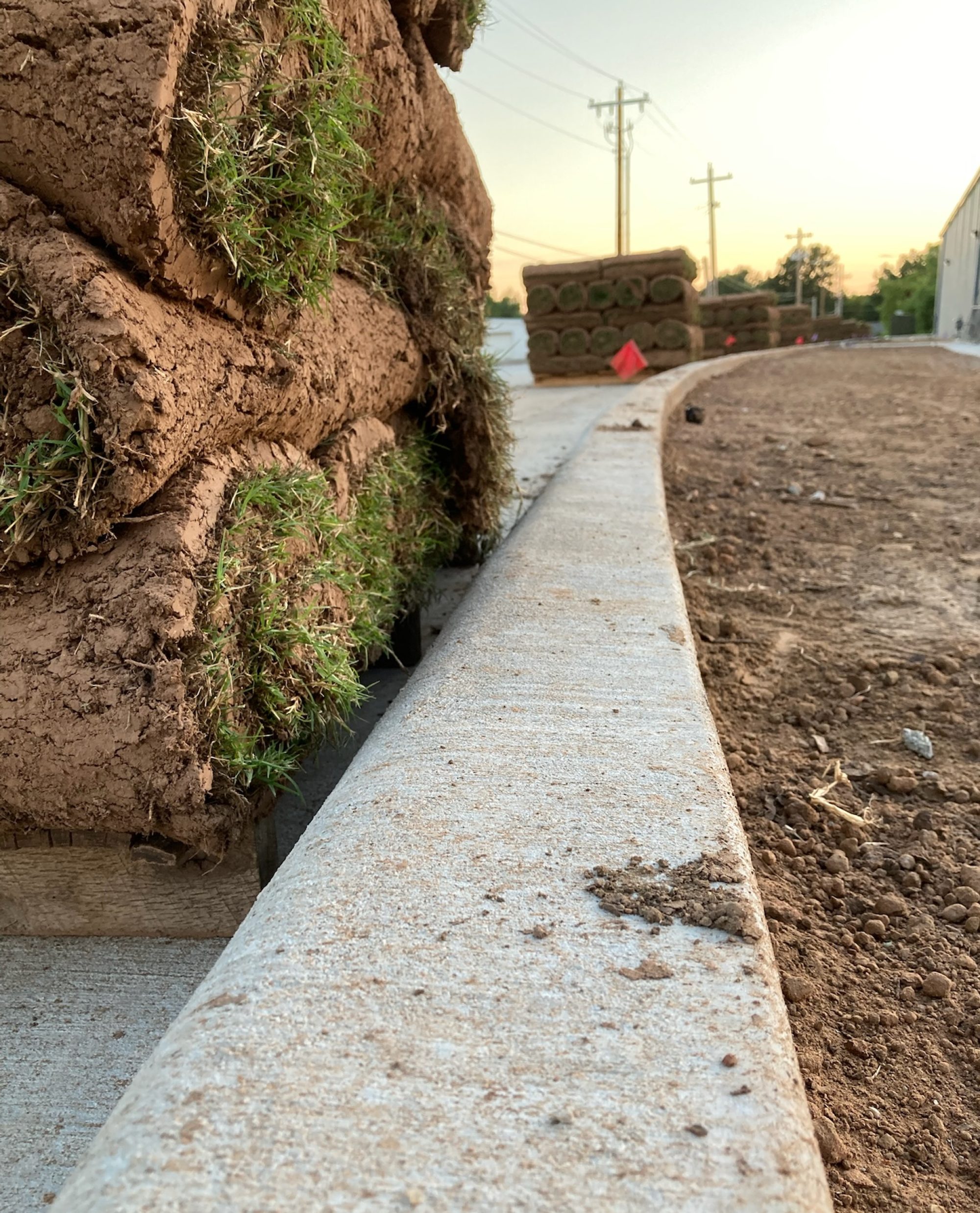
How to Time Your Sod Delivery in Tulsa for a Weed-Free, Healthy Lawn This Summer
Why July Through Early August 2026 Is the Strategic Window to Outcompete Weeds and Establish Dominant Turf
If you’re laying sod across Tulsa, Broken Arrow, Coweta, or anywhere nearby, your biggest concern shouldn’t just be how it looks on day one—it should be how your new turf performs in weed suppression over the coming seasons.
Installing sod at the right time, in the right conditions, using the right method gives your turfgrass the upper hand against aggressive invaders like crabgrass, nutsedge, and spurge. Let’s break down the process with a DIY focus so you don’t just get a green yard—you get a healthy, weed-resistant lawn.
🌧️ July Rain + Sod Installation = Natural Weed Prevention
Weeds thrive in weak, bare, or stressed turf. But when you install sod in July, you’re actually closing the open real estate that opportunistic weeds depend on.
Here’s why:
- Warm soil temps and regular rainfall accelerate sod rooting
- Turf establishes fast, covering bare ground and blocking out light weeds need to germinate
- Moisture + root activity = early nutrient uptake, which helps your turf dominate the soil biome
This matters especially in weed-prone zones like 74133 (Tulsa), 74012 (Broken Arrow), and 74429 (Coweta), where disturbed soils from previous lawns or new builds are vulnerable to fast weed colonization.
🚛 Deliver or Pick Up Fresh Sod Before It Stresses
Sod starts declining the moment it’s cut. Fresh sod = better rooting = fewer bare edges = fewer weeds. Here’s what you should do:
- Pickup available weekdays from 7:00 AM – 10:00 AM so you’re working with fresh-cut rolls
- Deliveries run across Tulsa, Coweta, Jenks, Bixby, and more, timed for morning installs
- Avoid leaving sod rolled up in the sun — install the same day for best coverage and root contact
Weed seeds need exposed light and air. Fresh sod installed quickly removes both.
📏 How Much Sod to Order (So You Don’t Leave Weed Gaps)
You need complete coverage, especially along edges and corners. Open gaps become weed magnets.
- 1 pallet = ~500 sq ft (size of a one-car driveway)
- 10,000 sq ft = 20 pallets (about the size of a baseball infield)
- Always order 5–10% extra to cover miscuts, slopes, or curved edges
Pro tip: Avoid mixing sod types across zones. Different densities create weak transition lines where weeds thrive.
🌱 Choose the Turf That Outcompetes Local Weeds
Different turf types vary in their ability to outgrow or shade out common Oklahoma weeds.
- Bermuda: Fastest-growing, spreads quickly, great in sunny areas
- Zoysia: Dense canopy, slow-growing but crowds out weeds beautifully
- Fescue: Performs well in shade, but keep it thick to stop cool-season weeds
Match the grass to your site conditions—sun, shade, traffic—to maintain high turf density year-round. Dense turf = no light = no weeds.
💧 Why July Rain Helps—But Harvesting Can Slow Down
Rain is excellent for sod establishment. Roots need moisture to expand. But it also slows down sod harvesting.
- Rain-soaked fields = slower farm operations → delays in sod cutting
- DIYers should book early in July or August to secure delivery while demand surges
- Rain reduces the need for irrigation, but make sure water doesn’t pool—soggy sod = fungus = more open space for weeds
Plan your project window 1–2 weeks in advance to stay ahead of delays.
🧤 DIY Tips to Prevent Weeds from Day One
These steps directly reduce weed pressure during and after installation:
- Spray existing weeds 10–14 days before laying sod using a non-selective herbicide (glyphosate works on most species)
- Remove dead vegetation and roots before installation — sod must touch clean soil
- Level soil surface and lightly moisten before laying sod
- Lay sod tight, without gaps, especially along walkways and landscape edges
- Water 2–3x daily in first week to prevent curl-up and dry gaps
- Delay any weed control sprays until 4–6 weeks after full establishment
- Begin mowing after sod is rooted and reaches 3 inches, not sooner
Each of these reduces bare soil exposure—the #1 cause of weed infestation.
👥 Who This Works For
Homeowners
Perfect for large lawns (5,000–10,000 sq ft) where DIY sod installs can save thousands vs. full-service installs. Plus, laying it yourself means you control the seams, coverage, and watering—which are make-or-break for weed prevention.
Contractors or Friends Helping Out
In zones like Coweta, Bixby, and Sand Springs, efficient delivery + teamwork means even big projects can be knocked out in a morning. Just remember: coverage and timing beat speed.
✅ Frequently Asked Questions
Q: Will rain ruin my install?
No—rain helps your sod root, but soggy soil can delay harvest. Book early and watch the forecast.
Q: Can I spray for weeds right before laying sod?
Yes, but wait at least 7–10 days between spraying and installation. You want the roots gone, not just the top growth.
Q: How long before I can treat weeds in my new sod?
Wait at least 4–6 weeks, and only if your sod is fully rooted and mowed 2–3 times.
Q: Do I need fertilizer with new sod?
Yes—use a starter fertilizer at install, but skip any weed-and-feed products until later.
Q: What if I see weeds popping through after a few weeks?
Use a post-emergent spot spray safe for your sod type. Don’t pull weeds if it disrupts rooting.
📦 Ready to Order? Here’s What to Do Next
Weeds don’t wait—and neither should you. Laying sod before mid-August gives your turf the advantage it needs to outcompete Oklahoma’s toughest weed species.
📞 Call (918)340-3013
🌿 Visit quantumsod.wordpress.com
📋 Schedule a 15-minute planning call or book your pallets now


Discover more from Quantum Sod | Oklahoma Sod Supply | Oklahoma Sod Delivery | Oklahoma Sod Installation (918)340-3013
Subscribe to get the latest posts sent to your email.