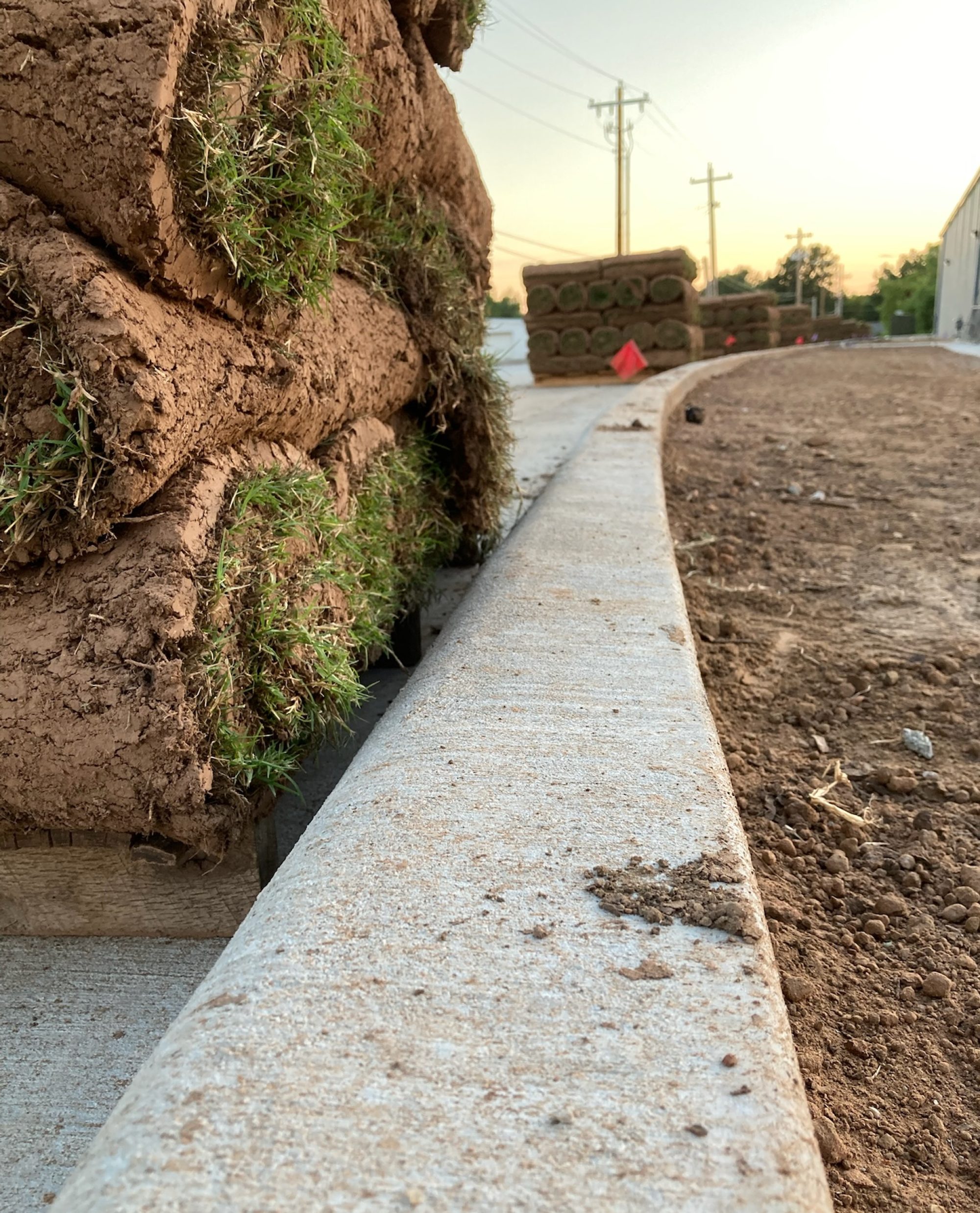
July Sod Deliveries in Tulsa Align Perfectly with Optimal Establishment Conditions
Broken Arrow’s Summer Rainfall Is Creating a Soil Environment That Promotes Fast Sod Establishment
Trying to estimate the precise area of coverage for your sod order?
Uncertain whether saturated soils will stall your delivery or installation timeline?
Wondering if you’ve missed the physiological window for meaningful turf development before dormancy?
The current environmental conditions across the Tulsa metro region — particularly in Broken Arrow, Coweta, and South Tulsa — are highly conducive to sod establishment. Warm-season grasses respond positively to soil profiles with elevated moisture content, moderate compaction, and residual nutrient availability. This article provides an operational overview of sod logistics for 2026, factoring in both field and climatic variables influencing turf response.
Sod Delivery Across Tulsa: Built Around Biological Timelines and Soil Function
The sod delivery framework is structured to maximize viability at drop-off and ensure the turf system is aligned with soil temperature, available water, and light cycles.
1. Calculate Area by Square Footage
Site planning starts with surface area.
- 500 sq ft ? small entry or side lawn
- 5,000 sq ft = typical suburban lawn
- 10,000+ sq ft = full yard or institutional site
Correct quantity prevents layering delays and limits post-installation stress due to mismatched soil contact times.
2. Turf Selection by Microclimate and Use Case
Select the grass species based on expected usage, site exposure, and long-term inputs:
- Bermudagrass — rapid growth, high sun, athletic wear
- Zoysiagrass — slower-growing, excellent drought tolerance, dense canopy
- Fescue — better in partial shade, cool-season performance
3. Delivery by Zip Code Routing and Post-Harvest Interval
Deliveries to 74012 (Broken Arrow), 74429 (Coweta), 74133 (Tulsa) and others are coordinated based on route optimization to preserve leaf turgor and minimize desiccation between harvest and install. Truck routes are built in loops to reduce time-in-transit.
4. Freshness Preservation and Confirmation Protocols
Delivery windows are assigned based on distance from cut site and moisture readings in the field. Our logistics team coordinates with the installation schedule and follows up to verify readiness — ensuring the sod is installed during active rooting hours (early morning or late evening).
Sod Pickup Availability: Short-Term Holding for Immediate Installation
Pickup hours are structured around minimizing transpiration and leaf wilt:
- Available Monday–Friday, 7:00 AM to 10:00 AM
- Ideal for small to mid-sized pickups (1–6 pallets)
- Best suited for installs within 4–6 hours of pickup in nearby zip codes like 74429, 74012, and 74136
Moisture loss increases significantly after the 6-hour mark, especially in high ambient temperatures. Same-day installation is non-negotiable for maintaining sod vitality.
Current Rainfall Patterns Are Promoting Rapid Root Establishment
Rain in July Accelerates Establishment at the Root-Soil Interface
Turf establishment depends heavily on the rhizospheric conditions immediately following installation. Current rainfall across Tulsa County is stabilizing moisture in the upper 4–6 inches of soil — the primary rooting zone for all three grass types offered.
- Water distribution through the soil profile reduces hydrophobicity
- Rainfall minimizes the need for excessive irrigation during the first 10 days post-install
- Moisture reduces root zone temperature fluctuations and keeps crown tissue hydrated
In July 2026, these environmental factors create near-optimal biological conditions for turfgrass rooting across Bixby, Broken Arrow, and Coweta.
August Brings High Rooting Potential — If You Leverage the Soil-Water Balance
The balance of high soil temperatures and moderate rainfall expected in August favors aggressive lateral root growth and stolon extension in warm-season grasses.
- Establishment is not just about surface greening; it’s about belowground anchoring
- When installed during August rainfall windows, sod integrates faster with subgrade materials
- Soil oxygen levels remain sufficient due to intermittent drying, avoiding anaerobic stress
Installations completed in August in 74014 (Broken Arrow) and 74429 (Coweta) will likely show stabilized turf stands and reduced transplant shock by early September.
September Results Reflect the Timing and Conditions of Summer Establishment
September is not a planting window — it is the evaluation period for sod installed during the growing season. With the photoperiod shortening and temperatures beginning to decline, the turf’s visible quality (density, color, root hold) is a lagging indicator of summer agronomic success.
If sod was installed in July or August, by September it should exhibit:
- Active tillering
- Reduced weed infiltration
- Vertical root penetration >2 inches
- Balanced carbohydrate storage entering fall
This applies across turf sites in Jenks, Sand Springs, and Glenpool, where consistent delivery routes help control install timing.
Site Planning for Homeowners: Full-Yard Installs with Predictable Performance
For turf installations in residential areas over 5,000 sq ft, coordination is key:
- Service windows align delivery with soil prep and irrigation activation
- Moisture retention in fresh-cut sod enhances rooting if installed within 4–8 hours
- Rain in July 2026 reduces need for manual watering, preventing runoff and over-application
If you’re prepping in South Tulsa (74136) or Bixby (74008), this is the ideal timing — before the backlog from fall renovations begins.
Contractor Install Coordination: Reducing Lag Time and Maximizing Turf Vigor
For contractors working on municipal or commercial installations, the goal is predictable delivery that aligns with workforce and equipment capacity. Current field conditions, though slower for harvesting, are ideal for establishment:
- Pallet quantities of 10–20+ are standard on jobs in Jenks, Owasso, Claremore, and Coweta
- Daily loop routes mean less sitting time in trailers
- Moisture in the soil ensures root pegs engage more quickly
- Crew fatigue is reduced when sod installs into already-moist soil, limiting compaction pressure
With longer cutting intervals due to wet fields, lead time is more important than ever — schedule early to secure material.
Frequently Asked Sod Questions from the Tulsa Metro This Season
Q: How soon can sod be delivered to Broken Arrow or Coweta?
A: With current demand and slower harvest cycles due to field saturation, deliveries require 48–72 hours advance scheduling. Routes run multiple times weekly by zip code.
Q: What’s the delivery minimum?
A: One pallet (500 sq ft) — suitable for partial renovations, front yards, or erosion control areas.
Q: Is it okay to install sod during or after rain?
A: Yes. Wet soil supports faster root-soil fusion. As long as water isn’t ponding and the soil isn’t structurally compromised, rain aids establishment.
Q: Can I pick up sod for a DIY install?
A: Yes, but pickup must occur between 7–10 AM, and sod must be installed the same day. Transport in shaded trailers and avoid stacking too high.
Q: How do I determine how much sod I need?
A: Measure length × width of each area, factor in any curves or border cuts, and round to the nearest full pallet. Always order a 5–10% buffer for trim and waste.
Lock In Your Sod Before Harvest Slowdowns Worsen
With July 2026 providing moisture-rich soil, daylight for install windows, and responsive turf species, this is the critical delivery window across Tulsa, Coweta, Broken Arrow, and neighboring cities.
? Call (918)340-3013
? Visit quantumsod.wordpress.com
? Request your turf type comparison sheet or schedule a 15-minute consultation
Align your sod delivery with root zone conditions — not just your calendar. The environment is primed. Let’s make it count.
Discover more from Quantum Sod | Oklahoma Sod Supply | Oklahoma Sod Delivery | Oklahoma Sod Installation (918)340-3013
Subscribe to get the latest posts sent to your email.