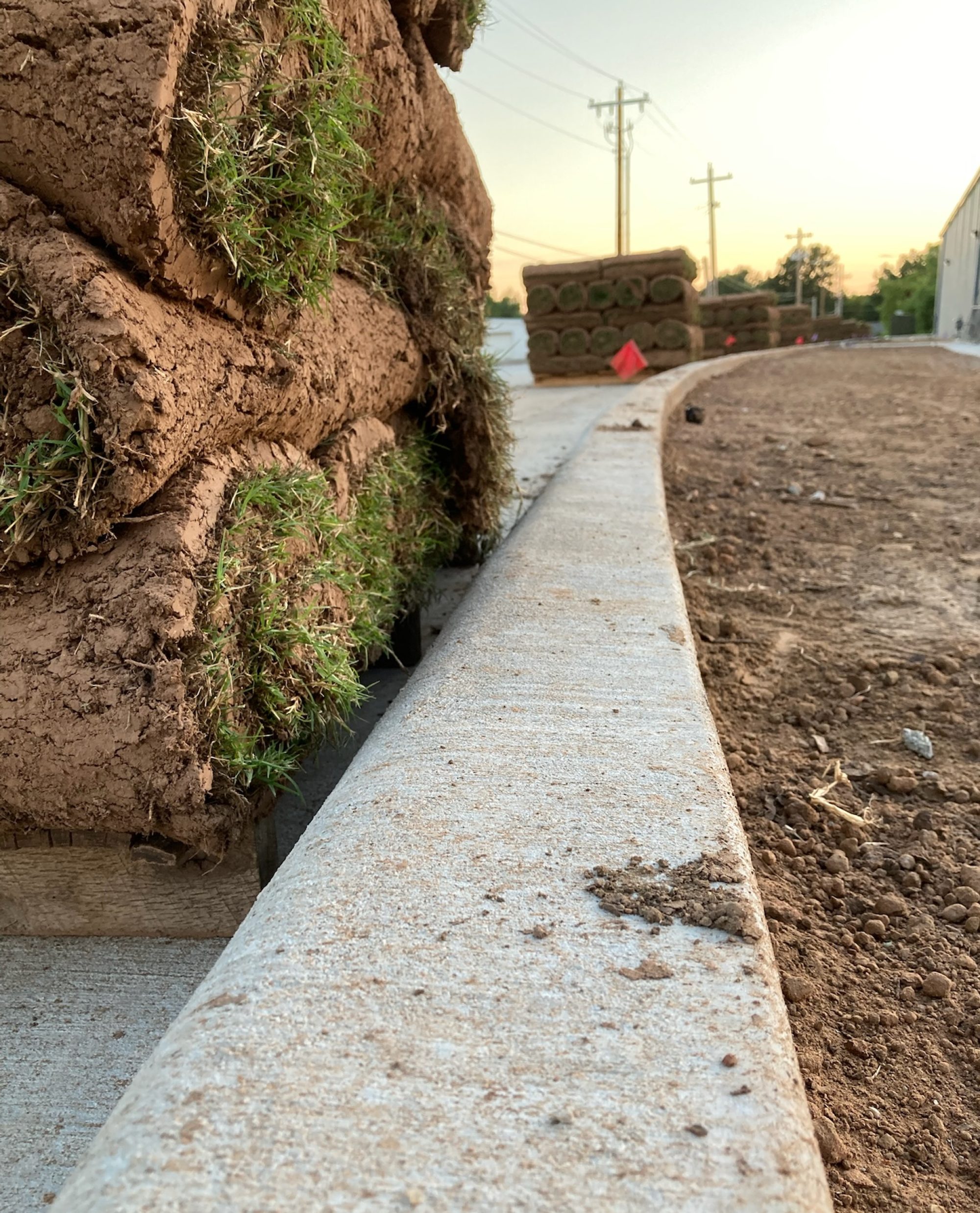
? Beneath the Surface: How Oklahoma’s July Rains Are Creating a Rare Window for Sod Establishment in 2026
By midsummer, much of Oklahoma’s soil profile is dry, cracked, and unforgiving. Turfgrass—especially freshly cut sod—is a delicate thing to establish in such a landscape. But this July 2026, something unusual is happening.
Rain, arriving in consistent, measured intervals across Tulsa County and its surrounding areas, is shifting the balance. And the ground is responding.
The Rhythm of Water and Root
In ecosystems, timing is everything. Seeds germinate at the right temperature. Pollinators arrive when blooms open. And sod—if it’s to survive—must send roots deep during a narrow window when temperature, soil structure, and moisture availability all align.
This July, those conditions are aligning across central and eastern Oklahoma.
According to soil moisture data tracked across USDA Zones 7a–7b, field capacity has remained stable for nearly three weeks. That means the water held between soil particles, just after gravitational drainage, is currently at its most usable level for plant root uptake.
For sod, which arrives cut and temporarily severed from its root system, this creates an environment where the transition from passive to active rooting happens faster—sometimes within 36 to 48 hours of installation.
The Unseen Workings of Root and Soil
Beneath the surface, something extraordinary is taking place.
Sod roots begin to grow through capillary pull—the ability of fine roots to absorb water directly from micropores in soil. In July 2026, with relative humidity higher than usual and a consistent drizzle keeping evaporation rates low, these roots aren’t drying out before they begin this work.
Temperatures are playing their part, too. The upper root zone has hovered between 71°F and 77°F, ideal for cell expansion and early-stage rhizogenesis. This temperature band is rarely sustained during Oklahoma summers, when soil often spikes above 90°F by midday.
But this year, with overcast skies and regular showers, the rhizosphere is thriving.
Sod Without Sprinklers
In normal years, homeowners and contractors are advised to irrigate heavily after sod is laid—often with 1 to 1.25 inches of water per day. For large sites, that’s the equivalent of dozens of gallons per 1,000 square feet, applied daily for up to three weeks.
But this summer, rainfall is doing what hoses and sprinkler systems usually must.
Recent analysis shows cumulative rainfall is delivering 70–80% of required establishment moisture across areas like Broken Arrow, Coweta, Sapulpa, and parts of east Tulsa. Not only is this reducing costs—often by hundreds of dollars—it is also distributing that moisture more evenly, reducing common issues like patchy rooting or hydrophobic soil zones.
In short, Mother Nature is doing the heavy lifting.
When Rain Cleans Instead of Muddies
Rain is often seen as the enemy of outdoor work. But the kind of precipitation Oklahoma is experiencing in July 2026 is different.
This is not torrential downpour. This is what crop consultants refer to as “infiltration-positive rainfall“—where water percolates into the soil profile without oversaturating the surface.
The results?
- Dust suppression, keeping particulates out of the air and out of homes
- Surface stability, which allows equipment, wheelbarrows, and install crews to move safely across sites
- Minimal runoff, meaning nutrients stay where they belong: in the root zone
Instead of bogging down sod projects, this rain is enhancing them.
For the First-Time Buyer, the Science Is On Your Side
For those considering sod for the first time—whether for a large backyard, an acreage home, or a commercial lot—this kind of July is rare.
Most years, the difficulty lies not in laying sod, but in keeping it alive.
This year, the environment is forgiving. Roots are taking. Soil is workable. And the ambient moisture is compensating for inexperience.
Delivery and pickup options are available across Oklahoma. And for those who aren’t sure which grass to choose, experts are offering a Master Sod Comparison Sheet, which breaks down key turfgrass species—like Bermuda, Fescue, and Zoysia—based on heat tolerance, root depth, and light requirements.
Even a first-time installer can succeed when the variables are this favorable.
For Contractors, a Tight Supply Chain Is Moving Fast
Contractors across Oklahoma are responding quickly. With sod rooting faster and watering needs cut nearly in half, crews are completing installs in record time.
Quantum Sod, one of the region’s leading suppliers, reports:
- Increased orders of 10–20 pallets per contractor, often per job
- Frequent requests for delivery within 24–48 hours, made possible by rain-softened soils
- Surge in first-time builder orders, especially on lots without finished irrigation
Truck availability is tightening. But where there’s planning, there’s opportunity. Many are scheduling installs around the rain, leveraging weather forecasts to reduce risk and improve efficiency.
A Season That May Not Come Again Soon
Oklahoma’s July 2026 is not a typical summer. With cooler soil, consistent rain, and a manageable forecast, it offers something few growing seasons do: a chance for even the most inexperienced property owners to lay sod with confidence.
Nature is always changing. But in moments like these—when biology, weather, and soil science align—small decisions can lead to lasting, living landscapes.
? Ready to Act While the Conditions Hold?
Whether you’re a first-time homeowner, a contractor, or a curious property developer, this moment won’t last forever.
? Call (918)340-3013 and request the Master Sod Comparison Sheet
?? Visit quantumsod.wordpress.com to book your free 15-minute consultation
? Ask about pickup or delivery options across Broken Arrow, Tulsa, Coweta, and Sapulpa
July 2026 is working in your favor.
The soil is listening. The roots are ready. All that’s left is for you to begin.
Discover more from Quantum Sod | Oklahoma Sod Supply | Oklahoma Sod Delivery | Oklahoma Sod Installation (918)340-3013
Subscribe to get the latest posts sent to your email.