?? Leveraging July 2026 Hydrological Conditions for Optimal Turfgrass Installation in Tulsa
? Key Considerations Before Scheduling Sod Installation
- How do current soil moisture retention and infiltration rates impact sod rooting success?
- What irrigation management strategies reduce water input while ensuring uniform turf establishment?
- How do soil compaction and surface load-bearing capacity influence installation logistics this season?
? The hydrological dynamics and soil physical properties prevalent in Tulsa during July 2026 create an advantageous environment for turf establishment, reducing resource inputs and enhancing turf longevity.
? Harnessing Natural Precipitation to Optimize Soil Water Holding Capacity
July’s precipitation patterns have generated increased volumetric water content in the upper soil horizons, improving soil matric potential without inducing saturation. This condition:
- Enhances field capacity maintenance within the root zone, minimizing water stress in transplanted sod.
- Reduces irrigation scheduling frequency and total water volume, leveraging natural inputs for evapotranspiration demands.
- Promotes uniform water distribution across heterogeneous microtopographies common in residential and commercial sites.
Such conditions optimize hydraulic conductivity in the root zone, enabling sod root systems to access moisture efficiently during the critical establishment phase.
? Soil-Plant Interface Engineering: Facilitating Root Penetration and Mechanical Stability
Successful sod establishment depends on:
- Proper soil compaction control to achieve ideal bulk density that balances load-bearing with porosity.
- Maintenance of adequate soil aggregate stability to prevent crusting and surface sealing post-installation.
- Ensuring mechanical interlock between sod root mass and native soil substrate to resist shear stress during irrigation or foot traffic.
Current soil moisture levels enable ideal soil rheology for turf installation—allowing sod rolls to conform intimately to soil surfaces, reducing voids and enhancing root-substrate hydraulic continuity.
? Site Trafficability and Material Handling Under Moisture-Optimized Conditions
July 2026 conditions present an optimal window for installation logistics:
- Soil moisture content within the plastic limit ensures sufficient bearing capacity to support equipment weight and pallet transport without inducing soil deformation or rutting.
- Moisture moderation reduces dust generation, improving air quality and worker safety during preparation and laydown operations.
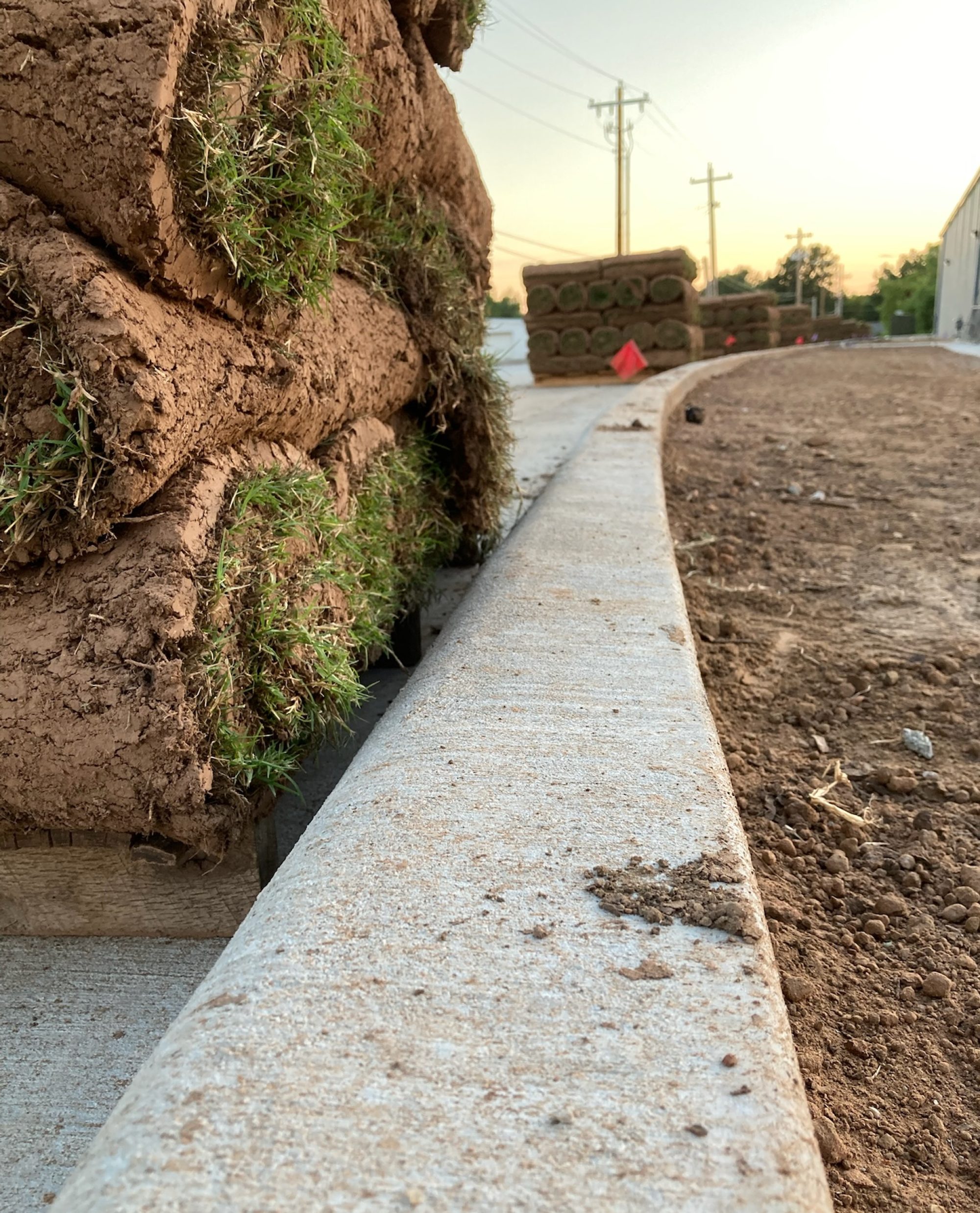
- Enhanced soil cohesion improves the rolling resistance of sod pallets, facilitating mechanized handling and precise placement.
Such conditions reduce installation downtime and minimize post-install corrective measures.
? For Property Managers and Installers Overseeing Medium to Large Turf Areas
Key engineering recommendations for properties ranging from 5,000 to 50,000 square feet:
- Utilize July’s elevated soil moisture to reduce pre-install irrigation infrastructure reliance.
- Conduct a pre-install soil infiltration assessment to identify zones requiring amendment or grading.
- Select sod varieties with root architectures optimized for local soil texture and moisture regimes.
Efficient site grading and moisture retention interventions during this window improve sod establishment success and reduce long-term maintenance inputs.
???? For Contractors Managing Bulk Turf Installations
Operational efficiencies under current conditions include:
- Reduced thermal loading on sod during transport, preserving cellular turgor pressure and photosynthetic capacity.
- Optimal soil moisture levels decrease the risk of soil compaction beyond the optimum, maintaining porosity for root respiration.
- Enhanced load distribution characteristics during pallet stacking, minimizing mechanical damage.
Procurement of Bermuda, Zoysia, and Fescue sod types with consideration of their specific root penetration rates and hydric adaptability will further optimize installation outcomes.
? Optimize Your Installation Timing with Science-Backed Practices
As soil moisture profiles begin to shift with August’s higher evapotranspiration rates, the operational window narrows.
? Contact (918)340-3013
? Visit quantumsod.wordpress.com
? Request the Master Sod Comparison Sheet for technical specifications on sod types and water requirements
? Schedule your free 15-minute consultation to integrate hydrological and soil mechanics best practices into your sod installation plan
Integrating hydrological patterns, soil physical properties, and material handling dynamics is key to sustainable turfgrass establishment. July 2026’s conditions in Tulsa represent an engineering-optimized period for successful sod installation.
Discover more from Quantum Sod | Oklahoma Sod Supply | Oklahoma Sod Delivery | Oklahoma Sod Installation (918)340-3013
Subscribe to get the latest posts sent to your email.