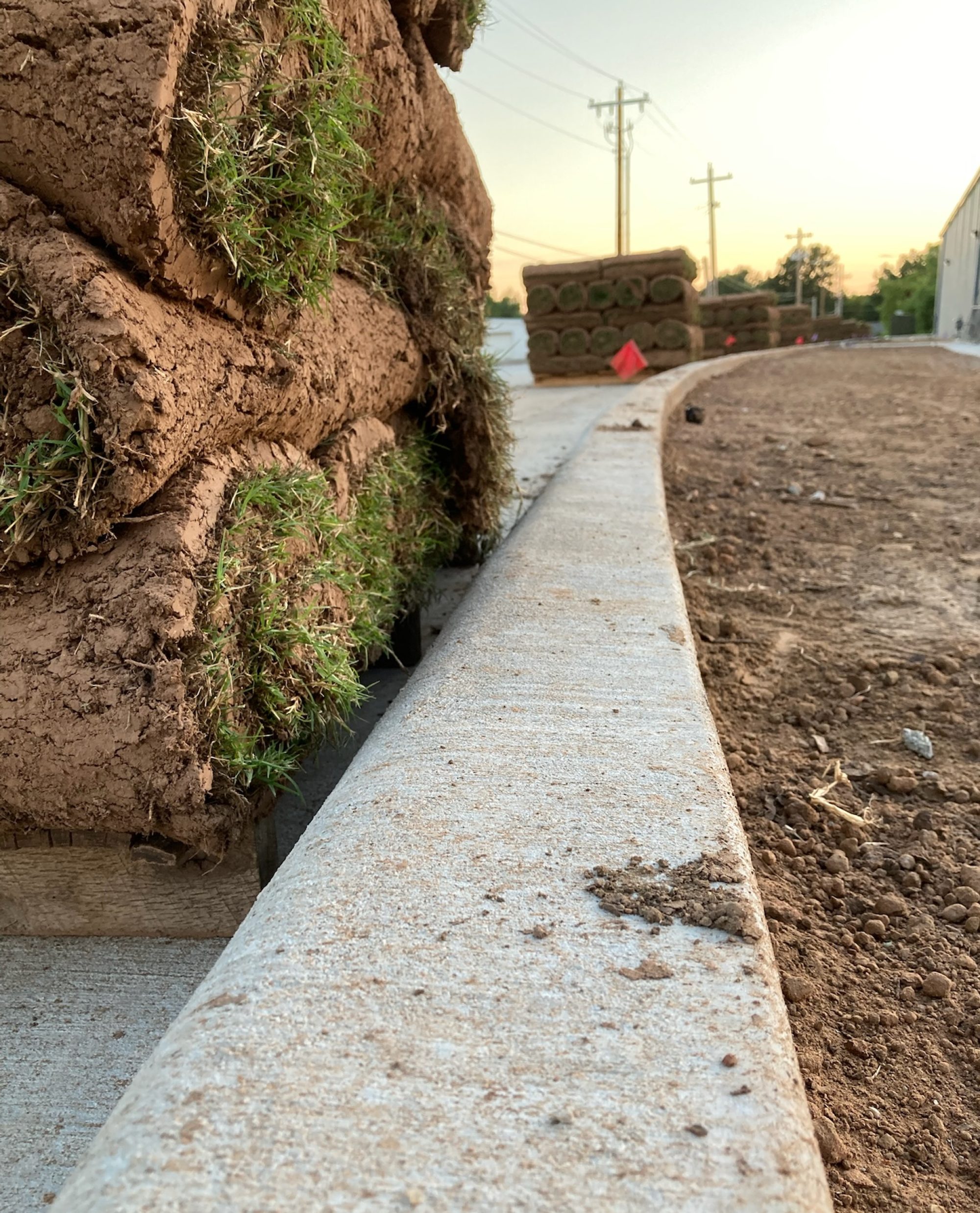

Bermuda grass might be tough, but it still needs some attention, especially when it’s coming out of dormancy. If you want your grass to bounce back strong, it’s time to roll up your sleeves and give it the TLC it deserves. Here’s a more aggressive watering schedule that will ensure your Bermuda wakes up ready to conquer your backyard, even if your neighbors are too far to notice.
Bermuda grass might be tough, but it still needs some attention, especially when it’s coming out of dormancy. If you want your grass to bounce back strong, it’s time to roll up your sleeves and give it the TLC it deserves. Here’s a more aggressive watering schedule that will ensure your Bermuda wakes up ready to conquer your backyard, even if your neighbors are too far to notice.
Why Bermuda Grass? (Perfect for Big Yards and Sparse Neighbors)
Bermuda grass thrives in hot, dry climates and has deep roots that help it endure drought. But just because it can survive on its own doesn’t mean it doesn’t appreciate a little help. During winter, it goes dormant, but when spring rolls around, you need to wake it up gently—and that means watering.
Late Winter Watering (February – Early March)
This is the stage where your Bermuda is still napping, but you’re not going to let it sleep too long! To get it going, we’re going to up the watering for the first couple of weeks.
- Water every day for the first 2 weeks—1/2 inch of water per session.
- Go deep with each watering—30 minutes at a time. The goal is to moisten the top few inches of soil.
- Avoid watering if temperatures are below freezing—Don’t make an ice rink out of your lawn.
- Check soil moisture—Stick a screwdriver into the ground. If it goes in easily, you’re still good; no need to water.
Early Spring Watering (Mid-March – April)
By now, your Bermuda is starting to stir. We’ll dial back the watering a little, but you still want to stay on top of it to keep it happy and waking up strong.
- Water every other day for the next 2-3 weeks, ensuring ½ to 1 inch of water per session.
- Morning is still the best time—This helps prevent mold and fungus growth.
- Check the top 2-3 inches of soil—If it’s dry, go ahead and water.
- Look for signs of green—Once you start seeing those patches, your Bermuda is officially back in business!
Mid to Late Spring (May – Early June)
Now that your Bermuda is wide awake, you can ease into a more regular watering schedule to build those strong roots for the summer heat.
- Water twice a week—1 inch per session.
- Deep watering only—Focus on making the roots work for it by watering infrequently but deeply.
- Watch for runoff—If water pools, take a break and let it soak in.
- Stick with morning watering—You’ll prevent evaporation and fungal growth.
Common Watering Mistakes (What NOT to Do)
- Flooding it too soon—Don’t overdo it when the Bermuda is still dormant.
- Watering at night—Stick to mornings unless you want to encourage fungus.
- Ignoring the rain—If nature handles the work, take the day off!
More Quantum Sod resources for Watering Schedule for Bermuda Grass in Late Winter and Early Spring(Because Your Lawn Deserves It)
Planning the next step is easier when pricing, product guidance, and project details are connected. These Quantum Sod resources offer practical information related to Watering Schedule for Bermuda Grass in Late Winter and Early Spring(Because Your Lawn Deserves It).
Why Bermuda Grass? (Perfect for Big Yards and Sparse Neighbors)
Bermuda grass thrives in hot, dry climates and has deep roots that help it endure drought. But just because it can survive on its own doesn’t mean it doesn’t appreciate a little help. During winter, it goes dormant, but when spring rolls around, you need to wake it up gently—and that means watering.
Late Winter Watering (February – Early March)
This is the stage where your Bermuda is still napping, but you’re not going to let it sleep too long! To get it going, we’re going to up the watering for the first couple of weeks.
- Water every day for the first 2 weeks—1/2 inch of water per session.
- Go deep with each watering—30 minutes at a time. The goal is to moisten the top few inches of soil.
- Avoid watering if temperatures are below freezing—Don’t make an ice rink out of your lawn.
- Check soil moisture—Stick a screwdriver into the ground. If it goes in easily, you’re still good; no need to water.
Early Spring Watering (Mid-March – April)
By now, your Bermuda is starting to stir. We’ll dial back the watering a little, but you still want to stay on top of it to keep it happy and waking up strong.
- Water every other day for the next 2-3 weeks, ensuring ½ to 1 inch of water per session.
- Morning is still the best time—This helps prevent mold and fungus growth.
- Check the top 2-3 inches of soil—If it’s dry, go ahead and water.
- Look for signs of green—Once you start seeing those patches, your Bermuda is officially back in business!
Mid to Late Spring (May – Early June)
Now that your Bermuda is wide awake, you can ease into a more regular watering schedule to build those strong roots for the summer heat.
- Water twice a week—1 inch per session.
- Deep watering only—Focus on making the roots work for it by watering infrequently but deeply.
- Watch for runoff—If water pools, take a break and let it soak in.
- Stick with morning watering—You’ll prevent evaporation and fungal growth.
Common Watering Mistakes (What NOT to Do)
- Flooding it too soon—Don’t overdo it when the Bermuda is still dormant.
- Watering at night—Stick to mornings unless you want to encourage fungus.
- Ignoring the rain—If nature handles the work, take the day off!
Discover more from Quantum Sod | Oklahoma Sod Supply | Oklahoma Sod Delivery | Oklahoma Sod Installation (918)340-3013
Subscribe to get the latest posts sent to your email.